Tesla Semi Port Pilot: MDB Transportation's Three-Week Test in Southern California
MDB Transportation, a Southern California drayage operator, has launched a three-week pilot program using a Tesla Semi on active port freight lanes. This makes MDB the second port trucking company to deploy the electric Class 8 truck for hauling containers. The pilot aims to evaluate the Semi's performance in one of the most demanding urban freight environments in the country, focusing on energy efficiency, cycle time, and driver experience. Below, we answer key questions about this initiative.
What is MDB Transportation's Tesla Semi pilot?
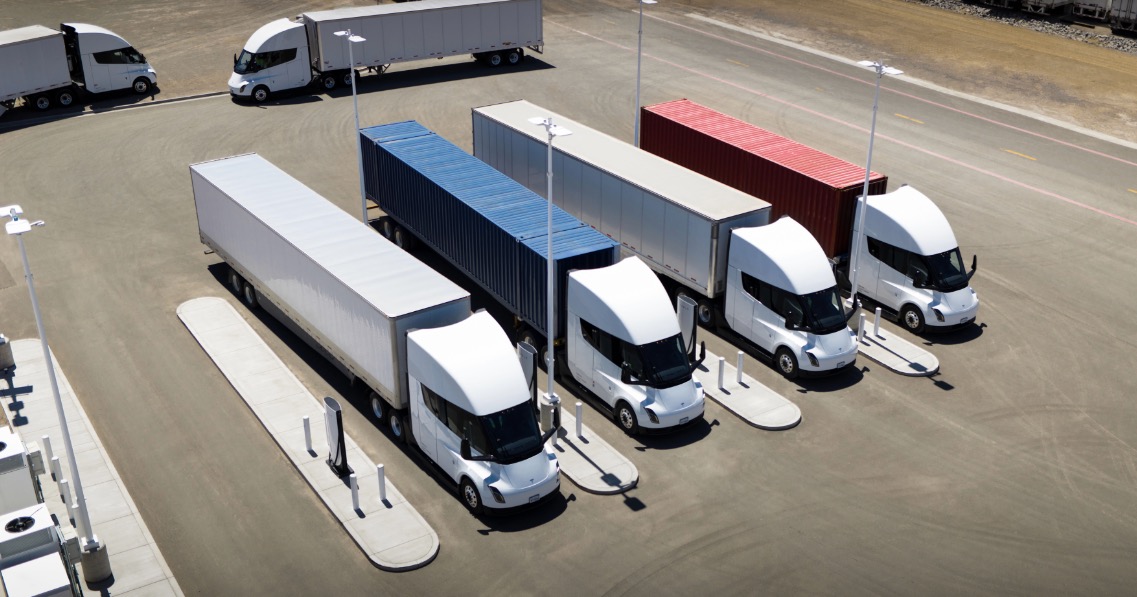
MDB Transportation, based in Compton, California, has begun a three-week field test of the Tesla Semi on real port drayage routes. The company is using the electric Class 8 truck to haul containers to and from the ports of Los Angeles and Long Beach, some of the busiest in the world. This pilot marks the second time a drayage operator has integrated the Tesla Semi into active freight operations, following an earlier test by another carrier. During the three-week period, MDB is collecting data on how the truck performs under the heavy stop-and-go demands of port traffic, as well as measuring energy consumption and driver feedback. The goal is to assess whether the Semi can meet the operational needs of port logistics while reducing emissions.
Why is port drayage considered a demanding environment for electric trucks?
Port drayage involves short hauls between marine terminals and nearby warehouses or rail yards, but these trips are often packed with challenges: frequent idling in container yards, heavy loads, tight delivery windows, and congested urban roads. The environment is especially tough on battery-electric trucks because of variable stop-and-go cycles that can drain battery quickly, and the need for fast charging during brief turnarounds. Additionally, port operations require trucks to handle maximum gross vehicle weights, which increases energy demand. MDB's pilot is testing the Tesla Semi precisely in this high-stress setting—the ports of Los Angeles and Long Beach—where air quality concerns are also pushing for zero-emission solutions. Success here could prove that electric trucks can thrive in one of the toughest freight niches.
What metrics is MDB tracking during the three-week test?
MDB is closely monitoring three key performance areas: energy efficiency, cycle time, and driver experience. Energy efficiency measures how many kilowatt-hours the truck consumes per mile, especially under load and through varying traffic conditions. Cycle time tracks how long each trip takes from pickup to drop-off, including wait times at terminals, which is critical for drayage profitability. Driver experience is assessed through surveys and in-cab feedback, looking at comfort, handling, and the truck's regenerative braking system. These metrics will help MDB decide whether the Tesla Semi can be integrated into regular fleet operations, and they could also inform wider adoption by other port trucking companies seeking to meet California's strict emissions regulations.
Who was the first port trucking company to use the Tesla Semi?
The original article does not name the first port trucking company that deployed the Tesla Semi, only that MDB Transportation is the second. Earlier reports from industry sources indicate that another Southern California drayage firm conducted a similar pilot several months prior, also hauling containers from the same port complex. That earlier test may have involved different routes or company-specific conditions, but this information is not detailed in the text. The fact that two separate companies are now trialing the Semi in port drayage suggests growing interest among operators in evaluating the real-world viability of electric Class 8 trucks in this demanding sector. This pilot builds on that initial experience and provides additional data.

What potential benefits does the Tesla Semi offer for port operations?
The Tesla Semi brings several advantages to port drayage, primarily zero tailpipe emissions, which help ports meet strict air quality standards imposed by agencies like the California Air Resources Board. The truck's powerful electric drivetrain offers instant torque, potentially improving acceleration and handling in dense traffic. Its regenerative braking system can recover energy during the frequent stops typical of port yards, boosting overall efficiency. The Semi also features a low center of gravity due to its under-floor battery packaging, enhancing stability when carrying heavy containers. Additionally, the truck's spacious cabin and advanced driver-assistance systems may reduce driver fatigue, an important factor in retaining experienced drivers. If the pilot shows the Semi can maintain productivity without charging delays, it could become a viable alternative to diesel trucks in port fleets.
How does the pilot address driver experience?
Driver experience is a central focus of MDB's Tesla Semi pilot. The company is collecting detailed feedback from the driver assigned to the test truck, covering aspects like cabin comfort, noise levels, handling, and ease of maneuvering in tight terminal spaces. The Tesla Semi's quiet operation and smooth acceleration are expected to reduce fatigue compared to diesel trucks. The truck's large touchscreen interface and regenerative braking feel are also being evaluated. MDB is tracking how quickly the driver adapts to the new powertrain and whether any training is needed. Positive driver feedback could be a strong selling point for other fleets, as driver shortages are a major challenge in the trucking industry. The results may help shape how the Semi is deployed in future port operations.
What does this pilot mean for the future of zero-emission trucking at ports?
MDB's three-week pilot is a significant step toward demonstrating that electric Class 8 trucks can handle real-world port drayage without compromising productivity. The ports of Los Angeles and Long Beach are under increasing pressure to slash diesel emissions, and battery-electric trucks are seen as a key solution. If the Tesla Semi proves efficient, reliable, and driver-approved in this pilot, it could accelerate adoption among other drayage companies. The data collected will help optimize charging infrastructure placement and operational schedules. Moreover, successful trials like this build confidence among fleet owners, investors, and regulators that zero-emission technology is ready for commercial hauling. As more operators follow MDB's lead, the vision of cleaner ports with quieter, emission-free trucks becomes more attainable.