Why Hydrogen Fuel Cells Are Winning in Combat Drones but Not in Passenger Cars
The Shift in Hydrogen Fuel Cell Deployment
Hydrogen fuel cell technology has long been hailed as a clean energy solution, but its adoption has been uneven across industries. While fuel cell passenger cars struggle to gain traction due to infrastructure and cost hurdles, a different story is unfolding in the military aviation sector. Heven Aerotech, a US-based drone manufacturer, has secured a streamlined contract with the US Army to supply hydrogen fuel cell unmanned aerial vehicles (UAVs) and associated hydrogen systems. This contract highlights a growing recognition that fuel cells are more practical for specific niche applications—such as combat drones—than for mass-market automobiles.
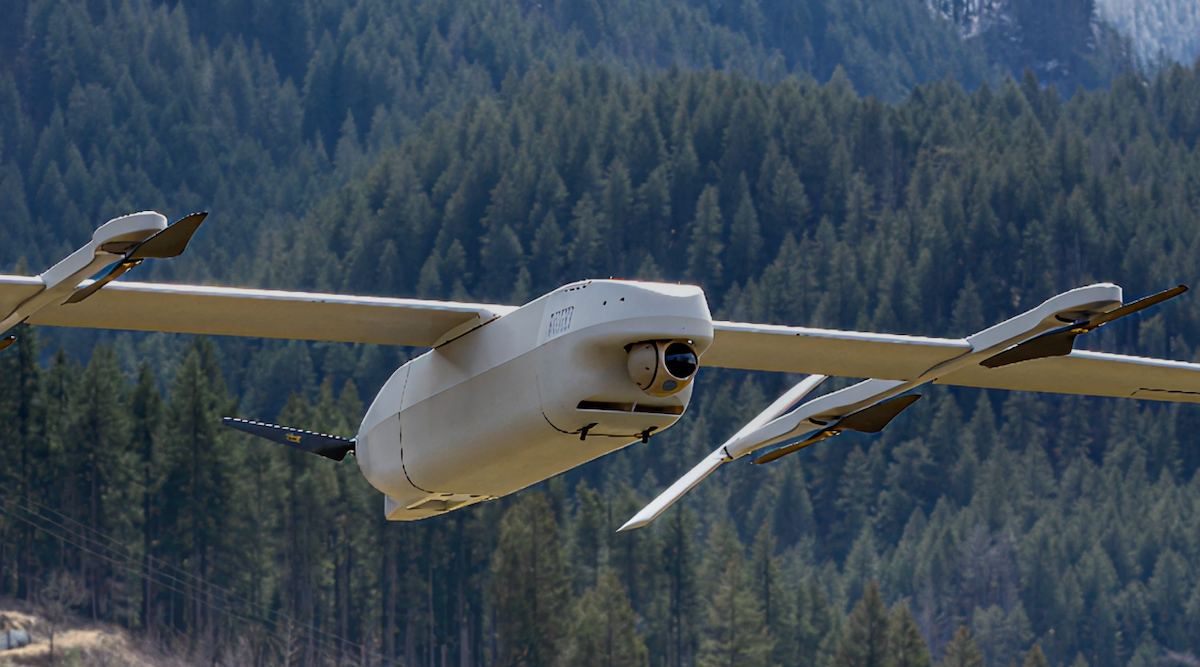
Heven Aerotech's Contract with the US Army
The recent agreement between Heven Aerotech and the US Army represents a significant milestone for hydrogen-powered aviation. Under the streamlined contract, Heven Aerotech will deliver fuel cell UAVs designed for extended endurance missions, along with the supporting hydrogen infrastructure. The Army's interest stems from the unique advantages of hydrogen fuel cells in tactical scenarios: quiet operation, low thermal signature, and high energy density compared to batteries. Unlike internal combustion engines, fuel cells produce electricity through an electrochemical reaction, emitting only water vapor—a critical advantage for stealth operations.
Why Fuel Cells Work for Drones
Extended Flight Endurance
Battery-powered drones are limited by energy density. Lithium-ion batteries typically provide 30–60 minutes of flight time, while hydrogen fuel cells can extend endurance to several hours—sometimes over 10 hours—depending on the payload. This makes hydrogen drones ideal for surveillance, reconnaissance, and long-duration missions where returning to base to recharge would be impractical.
Rapid Refueling
Recharging batteries takes time, often hours. Hydrogen fuel cells, on the other hand, can be refueled in minutes, similar to conventional gasoline. For military applications that demand quick turnaround between sorties, this is a game-changer. Troops can swap hydrogen tanks or fill them from portable dispensers, keeping drones airborne with minimal downtime.
Reduced Thermal Signature
Internal combustion engines produce heat, making them detectable by thermal infrared sensors. Hydrogen fuel cells generate electricity with significantly lower waste heat, making drones harder to detect. This stealth characteristic is invaluable in combat zones where thermal imaging is used to locate enemy assets.
Logistical Advantages
The US Army's logistics chain is exploring hydrogen as a multipurpose energy carrier. The same hydrogen used for fuel cell vehicles could also power ground equipment, generators, and even soldier portable power packs. Heven Aerotech's systems align with this vision, offering a unified fuel source that reduces supply chain complexity.
Why Hydrogen Cars Haven't Succeeded
Infrastructure Gaps
The most significant barrier to hydrogen fuel cell cars is the lack of refueling infrastructure. As of 2025, fewer than 100 hydrogen refueling stations exist in the United States, concentrated in California. Building a nationwide network would cost billions, and range anxiety remains a major deterrent for consumers.
High Production and Storage Costs
Hydrogen is produced primarily from natural gas through steam methane reforming, which generates carbon emissions unless coupled with carbon capture. Electrolysis using renewable electricity is clean but expensive. Storing hydrogen requires high-pressure tanks (700 bar) or cryogenic cooling, adding weight and cost to vehicles. These factors make hydrogen cars significantly pricier than battery electric vehicles (BEVs) on a per-mile basis.
Efficiency Losses
The well-to-wheel efficiency of hydrogen fuel cell vehicles is around 30–40%, compared to 70–80% for battery electric vehicles. The energy losses occur during electrolysis, compression, and conversion back to electricity in the fuel cell. For passenger cars, which primarily travel short distances and have access to charging points, BEVs are simply more energy-efficient and cost-effective.
Competition from Battery Technology
Battery technology has improved dramatically, with lithium-ion packs now offering ranges of 300+ miles and charging times dropping below 30 minutes for fast chargers. The widespread adoption of BEVs has also driven down battery costs, making hydrogen cars uneconomical for everyday commuting.
The Future of Hydrogen in Military Applications
While hydrogen fuel cells may never dominate the personal car market, they are carving out a strong niche in defense and aerospace. The Heven Aerotech contract is just one example of growing military interest. The US Department of Defense has invested in hydrogen fuel cells for silent generators, unmanned submarines, and even auxiliary power units for aircraft. The combination of high energy density, low emissions, and operational stealth makes hydrogen ideal for missions where battery limitations are a liability.
Conclusion
The contrast between the struggles of hydrogen fuel cell cars and the success of fuel cell combat drones illustrates an important lesson: not every clean technology suits every application. Hydrogen's unique properties—lightweight energy storage, rapid refueling, and low thermal signature—are perfectly matched to the demands of military UAVs. Meanwhile, the automotive sector has found a more practical solution in battery electric vehicles. As companies like Heven Aerotech push the boundaries of hydrogen-powered flight, we may see further divergence between civilian and military energy pathways.