Bitcoin's Early Days: Inside Morgan Stanley's Strategy and the Urgent Education Gap
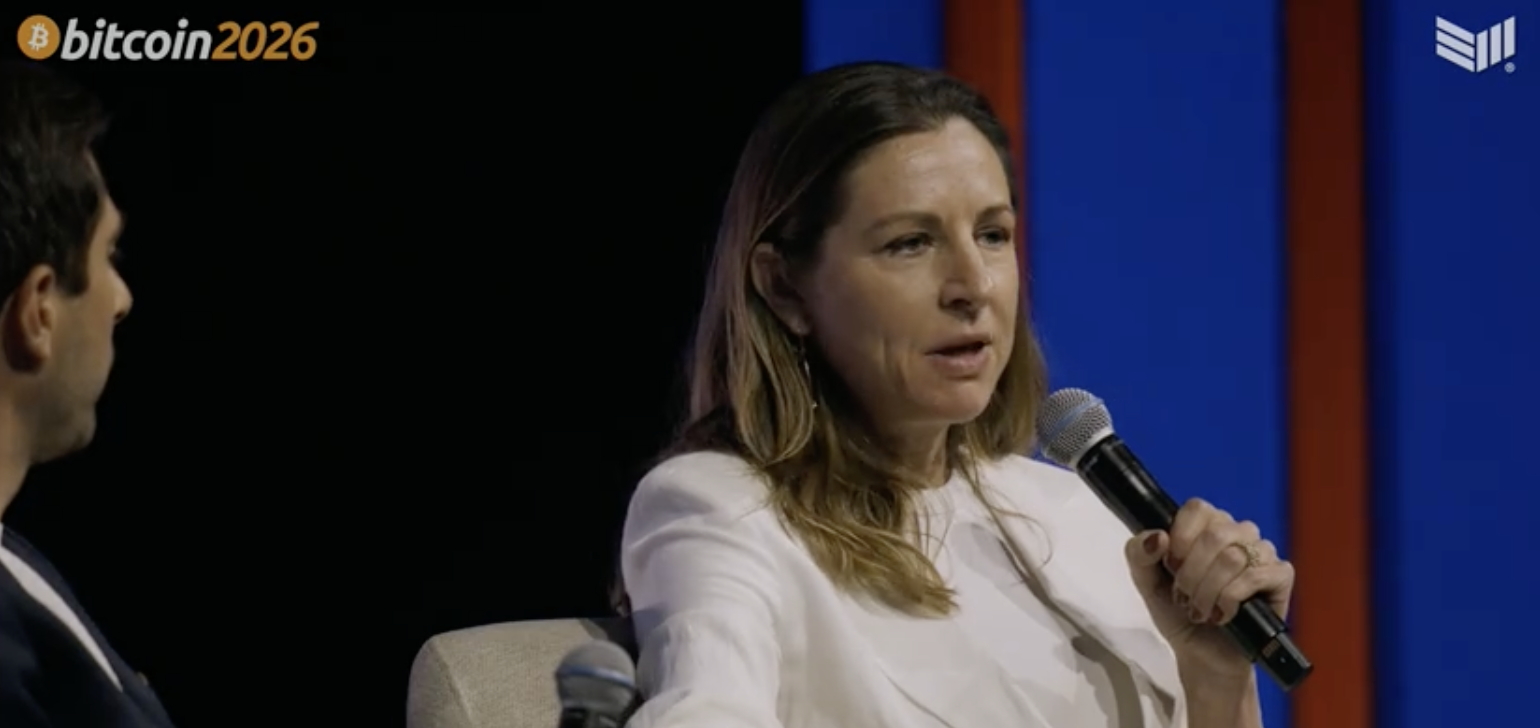
Morgan Stanley has stepped into the Bitcoin market with its own exchange-traded product, the Morgan Stanley Bitcoin Trust (MSBT), and its head of digital assets, Amy Oldenburg, recently shared the bank's position on the asset. In a panel discussion, she emphasized that Bitcoin is still in its infancy and that a significant education gap persists among clients. This Q&A explores her key insights, from the product's early performance to the broader challenges of investor understanding.
Why Did Morgan Stanley Launch the Bitcoin Trust Now?
Amy Oldenburg, Morgan Stanley's head of digital assets, explained that the bank views Bitcoin as an asset class still in its early stages. With a market cap near $1.5 trillion, Bitcoin stands apart from the broader crypto landscape, which she argues justifies a dedicated product. The Morgan Stanley Bitcoin Trust (MSBT) was designed to serve the full spectrum of clients, not just a niche segment. Oldenburg noted that the bank sees a strong need for institutional-grade exposure to Bitcoin, but there remains a gap in client understanding. The launch timing aligns with growing demand, yet the education problem remains urgent—many investors still associate Bitcoin with its early associations with illicit activity. By offering a regulated ETP, Morgan Stanley aims to provide a secure entry point while investing heavily in client and advisor education. She stressed that the work has just begun, as the product has been on the market for less than a year.
What Is the 'Education Problem' Oldenburg Highlights?
Oldenburg described the education problem as the industry's most pressing issue. Many retail and institutional clients still struggle to separate Bitcoin from crypto as a whole, often lumping them together based on misinformation or outdated narratives. She pointed out that Bitcoin's early history, including its use by bad actors, continues to overshadow its current fundamentals. This leads investors to hesitate when considering an allocation. Furthermore, clients often ask about yield or structured products without fully grasping that the underlying asset is Bitcoin itself. Oldenburg emphasized that clarity is missing from most market conversations, and there is 'so much more work to do.' To address this, Morgan Stanley is developing internal training programs so that financial advisors can confidently explain Bitcoin's value proposition. The firm also spends significant time on one-on-one calls with clients, walking them through models and allocation frameworks to bridge the knowledge gap.
How Does Morgan Stanley Distinguish Bitcoin from Other Cryptocurrencies?
Oldenburg carefully separated Bitcoin from the broader crypto category, a distinction she says most clients still do not make with confidence. She cited Bitcoin's massive market cap—around $1.5 trillion—and its unique position as a store of value relative to thousands of other tokens. Morgan Stanley wants this distinction to be anchored in fundamental research, not just narratives. The bank is educating clients on Bitcoin's decentralized network, limited supply, and historical performance as a non-correlated asset. By contrast, many other cryptocurrencies are seen as more speculative or tied to specific platforms. Oldenburg noted that the firm designs products for clients with different needs, but Bitcoin remains the starting point. She also mentioned that spot crypto trading is coming for wealth management clients, but the focus is on ensuring investors understand what they are buying. This separation is key to making informed decisions about portfolio allocation.
How Has the Morgan Stanley Bitcoin Trust Performed So Far?
The Morgan Stanley Bitcoin Trust (MSBT) pulled in more than $100 million in its first week of trading, a strong early signal according to Oldenburg. However, she quickly put that number in context: all initial flows came through self-directed accounts because the fund had not yet been made available on the advisory platform. This highlights that while demand exists among independent investors, advisor-led adoption remains slow. Oldenburg noted that the bank has announced a 2–4% crypto allocation recommendation, but even with this guidance, take-up through advisors has been gradual. The product has been on the market for less than a year, so the bank views this as just the beginning. Oldenburg emphasized that the education gap is a primary reason for the slower advisory uptake. As internal training rolls out and clients become more informed, she expects broader adoption. The strong self-directed flows indicate pent-up demand for a trusted ETP wrapper.
What Internal Initiatives Is Morgan Stanley Undertaking to Bridge the Education Gap?
Morgan Stanley is attacking the education gap from the inside out. Oldenburg said the firm is rolling out comprehensive internal training so that financial advisors can speak about Bitcoin with confidence. Her team spends 'hour after hour after hour' on the phone walking clients through models and allocation frameworks. The bank also designs products that cover different client needs, including direct ETP wrappers for those who want a simple vehicle. Additionally, spot crypto trading is being developed for the wealth management side. The bank wants to ensure that clients who are interested have a compliant, well-understood entry point. Oldenburg acknowledged that choosing custodians was complex due to the number of providers, but the bank selected partners that meet institutional standards. Ultimately, the goal is to make Bitcoin as accessible and comprehensible as any traditional asset class, reducing the stigma and confusion that currently hinder broader adoption.
What Allocation Recommendations Has Morgan Stanley Given to Clients?
Morgan Stanley has announced a 2–4% crypto allocation recommendation for suitable clients, with Bitcoin being the primary focus. Oldenburg noted that even with this clear guidance, adoption through financial advisors has been slow—a direct reflection of the education problem. She reiterated that the bank wants clients to understand what they are buying, whether it's through an ETP like MSBT or direct spot exposure. The allocation recommendation is part of a broader portfolio strategy that considers risk tolerance and diversification. Oldenburg emphasized that the bank does not view Bitcoin as a speculative gamble but as a long-term store of value akin to digital gold. Clients with a higher risk appetite may consider the higher end of the range, while others might start small. She believes that as education improves and advisors become more comfortable, these allocations will become more common. The product has been available for less than a year, so early adopters are just the first wave.