How to Integrate World-Class Online Learning into National Higher Education: A Step-by-Step Guide for Education Ministries
What You Need
- Strategic Partnership – A recognized online learning platform with extensive course catalog (e.g., Coursera).
- Governmental Mandate – Official backing from the Ministry of Education or equivalent body to issue for-credit courses.
- Funding & Infrastructure – Budget for licenses, translation of courses, and technical integration with national education systems.
- University Network – Coordinated participation from public and private universities to adopt the platform.
- Language Support – Translation resources or a commitment to localize content (e.g., into Kazakh).
- AI & Digital Skills Focus – A policy vision to embed AI literacy and digital skills across all disciplines.
How to Institutionalize World-Class Online Learning: 5 Steps
Step 1: Establish a High-Level Partnership with a Leading Online Learning Provider
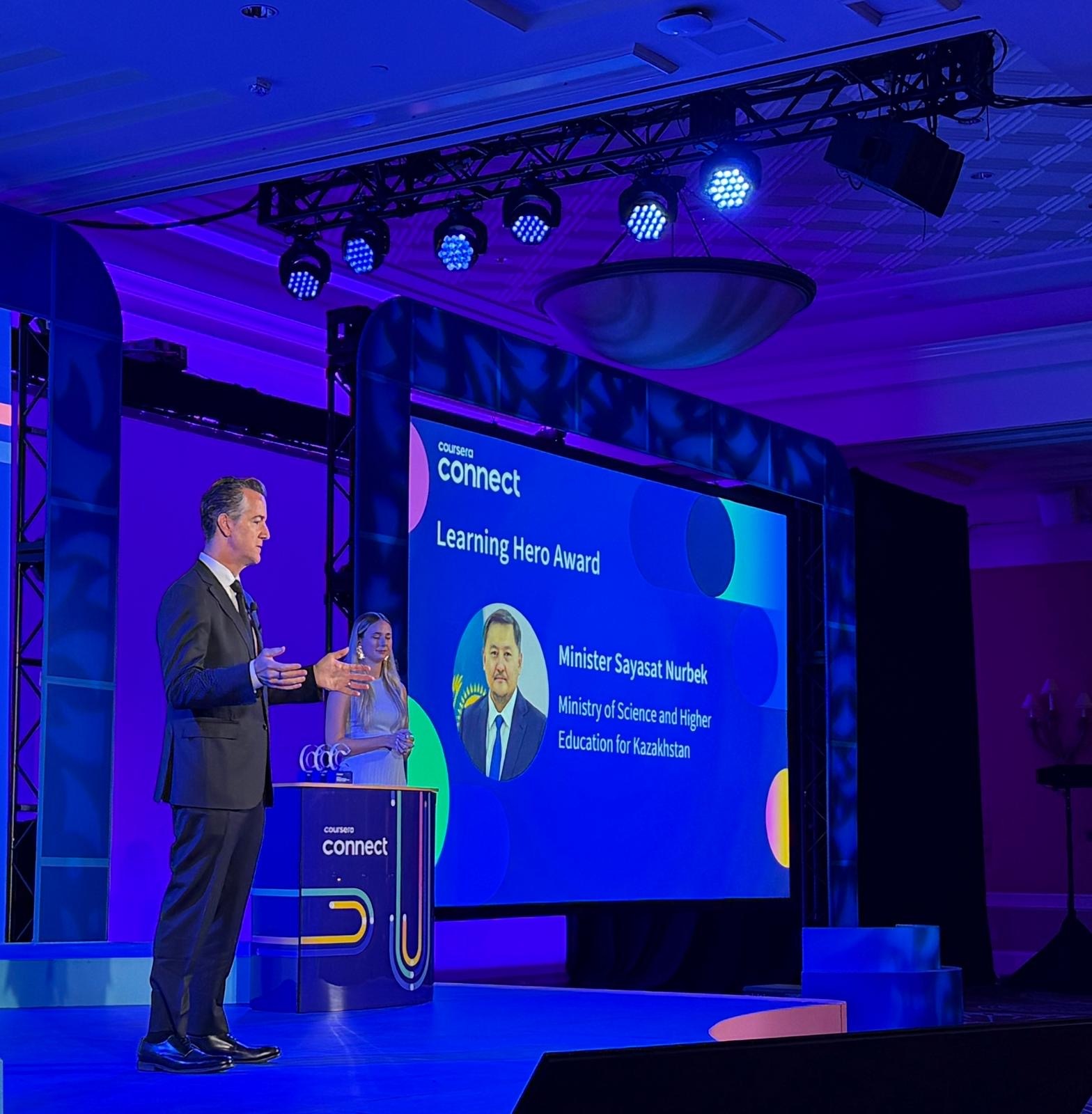
Begin by contacting a global online learning platform that offers for-credit courses from respected universities and companies. In the case of Kazakhstan, the Ministry of Science and Higher Education partnered with Coursera in 2022. Negotiate a multi-year agreement that includes access to thousands of courses, verified certificates, and the ability to award transferable European Credit Transfer and Accumulation System (ECTS) credits. Ensure the partnership covers human, digital, business, and artificial intelligence (AI) skills – the pillars of a modern workforce.
Step 2: Integrate Courses into National University Curricula
Work with university leadership to allow students to take Coursera courses for credit. Each course should count toward their degree requirements. With over 13,500 courses from 375+ top institutions, you can modernize existing curricula instantly. Establish a standard process for converting course completion into official ECTS credits. This bridges the gap between academic learning and career readiness – a key goal for any education ministry.
Step 3: Launch a Nationwide AI Literacy Initiative (e.g., AI-Sana)
Because AI knowledge is now essential for every graduate, create a dedicated program to certify foundational AI skills. For instance, AI-Sana ensures all students complete introductory courses like Google AI Essentials or Anthropic’s Building with the Claude API. Provide access to over 1,100 Generative AI courses on the platform. Make this a mandatory or highly encouraged part of every degree, regardless of the student’s major. This step future-proofs the national workforce.
Step 4: Localize Content by Translating Core Courses into the National Language
To maximize reach and inclusivity, translate priority courses into your country’s official language. Kazakhstan had 4,000 courses translated into Kazakh, covering AI, data science, machine learning, and more. This removes language barriers and ensures that the best global education is accessible to all citizens. Partner with linguists and educational technology experts to manage the translation process and maintain quality.
Step 5: Scale, Monitor, and Continuously Expand the Program
Set ambitious participation goals. Kazakhstan’s partnership reached 235,000 students and resulted in over 500,000 certificates from more than 100 universities. Track enrollment and completion metrics to adjust course offerings. Regularly add new courses, especially in emerging fields like cybersecurity, data science, and finance. Promote industry-recognized certifications to motivate learners. Renew the partnership periodically to reflect evolving job market demands.
Tips for Success
- Start small, then scale: Pilot the program with a few universities before rolling out nationwide. This allows you to iron out credit-transfer logistics and technical integration.
- Engage faculty early: Professors may resist external courses. Show them how curated content can supplement their teaching and reduce course development load.
- Balance global and local: While you offer world-class courses, also encourage the creation of locally relevant content – such as courses on Kazakh history or regional business practices.
- Use data for continuous improvement: Analyze which courses lead to the highest employability outcomes. Share success stories to motivate more universities to join.
- Promote the program aggressively: Use ministry websites, social media, and university events to inform students about free or subsidized access to premium courses and certifications.
By following these steps, your ministry can replicate the success seen in Kazakhstan: a national system where every graduate possesses in-demand skills, AI literacy, and globally recognized credentials – all while preserving and promoting your own language and culture.
Related Discussions