Ancient Dingo Grave Reveals Millennia of Devoted Care by Aboriginal Australians
Ancient Dingo Grave Reveals Millennia of Devoted Care by Aboriginal Australians
A 1,000-year-old dingo burial in New South Wales, Australia, shows that Aboriginal ancestors not only interred the animal with human-like ceremony but also tended its grave for centuries, archaeologists report.
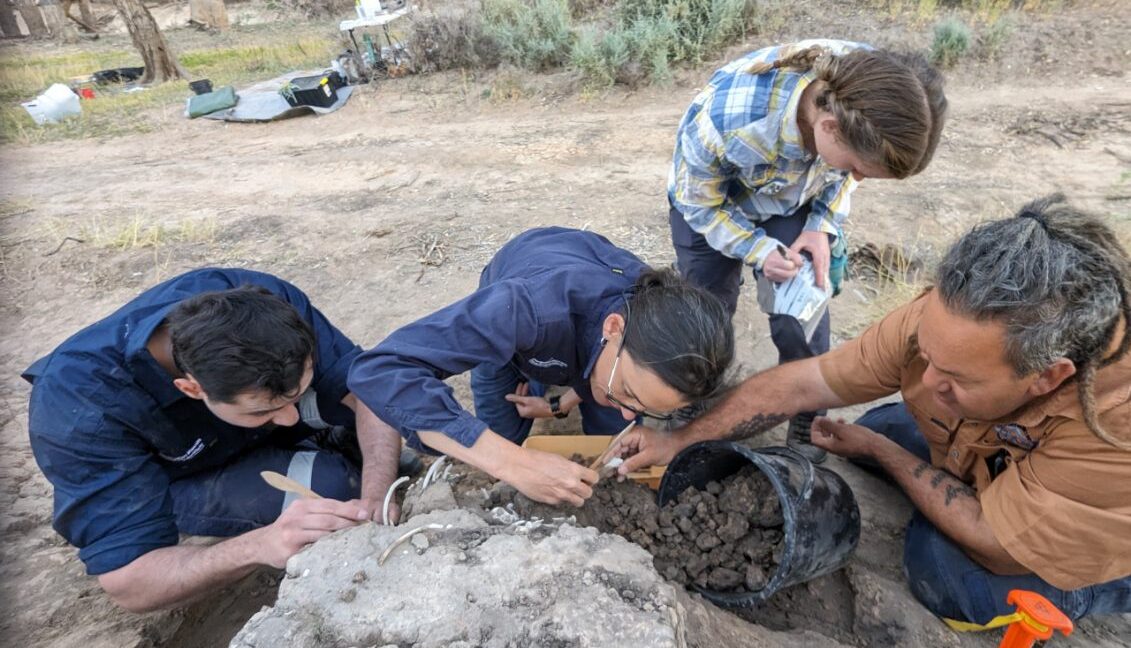
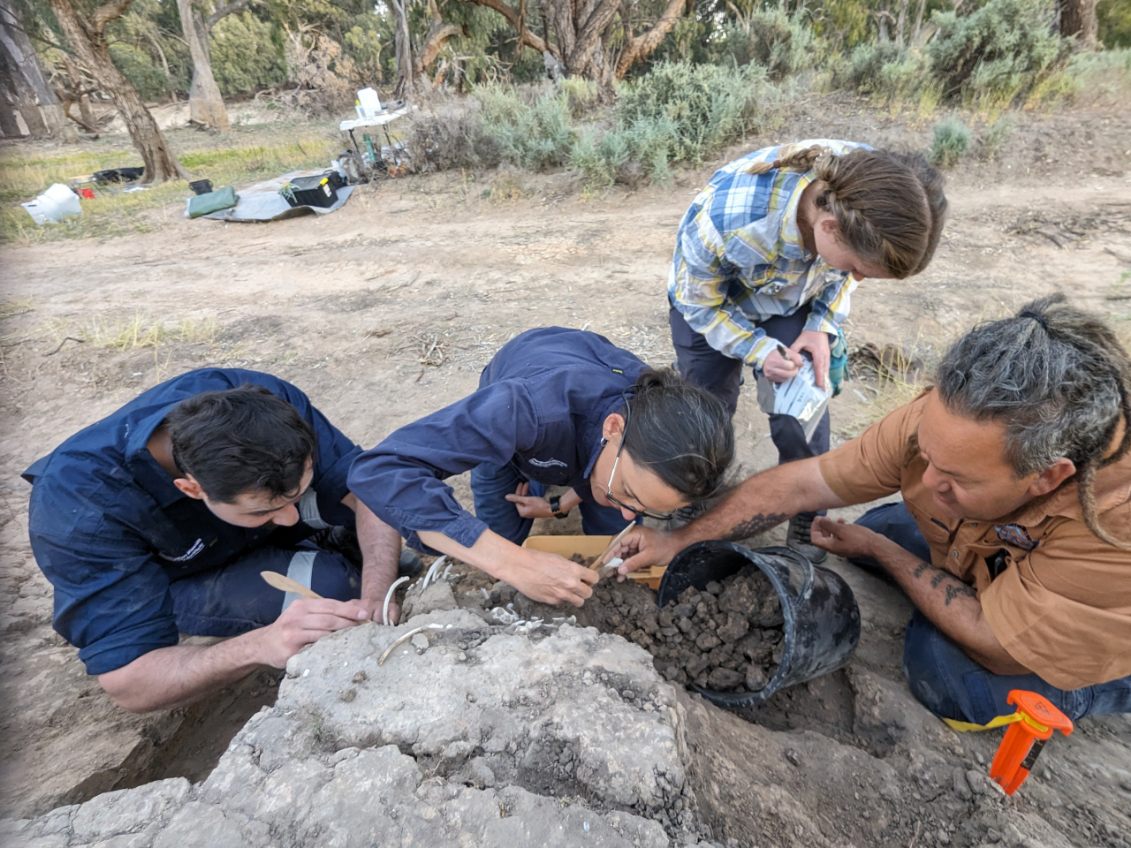
The remains, identified as a dingo (or garli in the Barkindji language), were found lying on its left side within a deliberately constructed mound of river mussel shells. Researchers say the grave site was actively maintained for generations.
"This is clear evidence that dingoes were deeply valued and loved by ancient people in Australia," said Amy Way, an archaeologist from the Australian Museum and the University of Sydney and co-author of the study.
The discovery was made five years ago when Barkindji Elder Uncle Badger Bates and National Parks and Wildlife Service archaeologist Dan Witter spotted bones eroding from a road cut in Kinchega National Park, along the Baaka (Darling River).
Badger immediately recognized the bones as a dingo. The careful positioning and the shell mound signaled a deliberate, ceremonial burial.
Background
Dingoes have been present in Australia for at least 3,000 years, arriving via Southeast Asian seafarers. They hold profound cultural significance for many Aboriginal groups, often featuring in Dreamtime stories and serving as companions, hunting aides, and spiritual guides.
However, physical evidence of the depth of the human-dingo bond has been scarce. Burials—especially those with long-term grave care—are extremely rare in the archaeological record.
Prior to this find, only a handful of dingo burials had been documented in Australia, and none showed evidence of sustained maintenance over centuries.
What This Means
The Barkindji burial demonstrates that dingoes were not merely functional animals but were cherished members of the community, treated with the same respect as humans. The maintenance of the grave over countless generations indicates a deep, enduring emotional connection.
"This challenges the notion that pre-colonial Aboriginal people had purely utilitarian relationships with dingoes," Way explained. "The grave care points to ongoing remembrance and ritual."
The find also lends weight to calls for greater recognition of dingoes as culturally significant species. As Australia debates dingo conservation and management, this archaeological evidence underscores their historic and spiritual importance.
"For our people, the dingo is not just an animal. It is a teacher, a protector, a family member," said Uncle Badger Bates in a separate statement. "Now the world can see that this was always true."
Further analysis of the shell mound is underway to determine whether it was periodically replenished, which would confirm active stewardship. Researchers plan to consult with local Barkindji knowledge holders to reconstruct the rituals surrounding the burial.