AI Agents Face Critical Flaw: MongoDB Engineer Warns File-Based Workflows Collapse
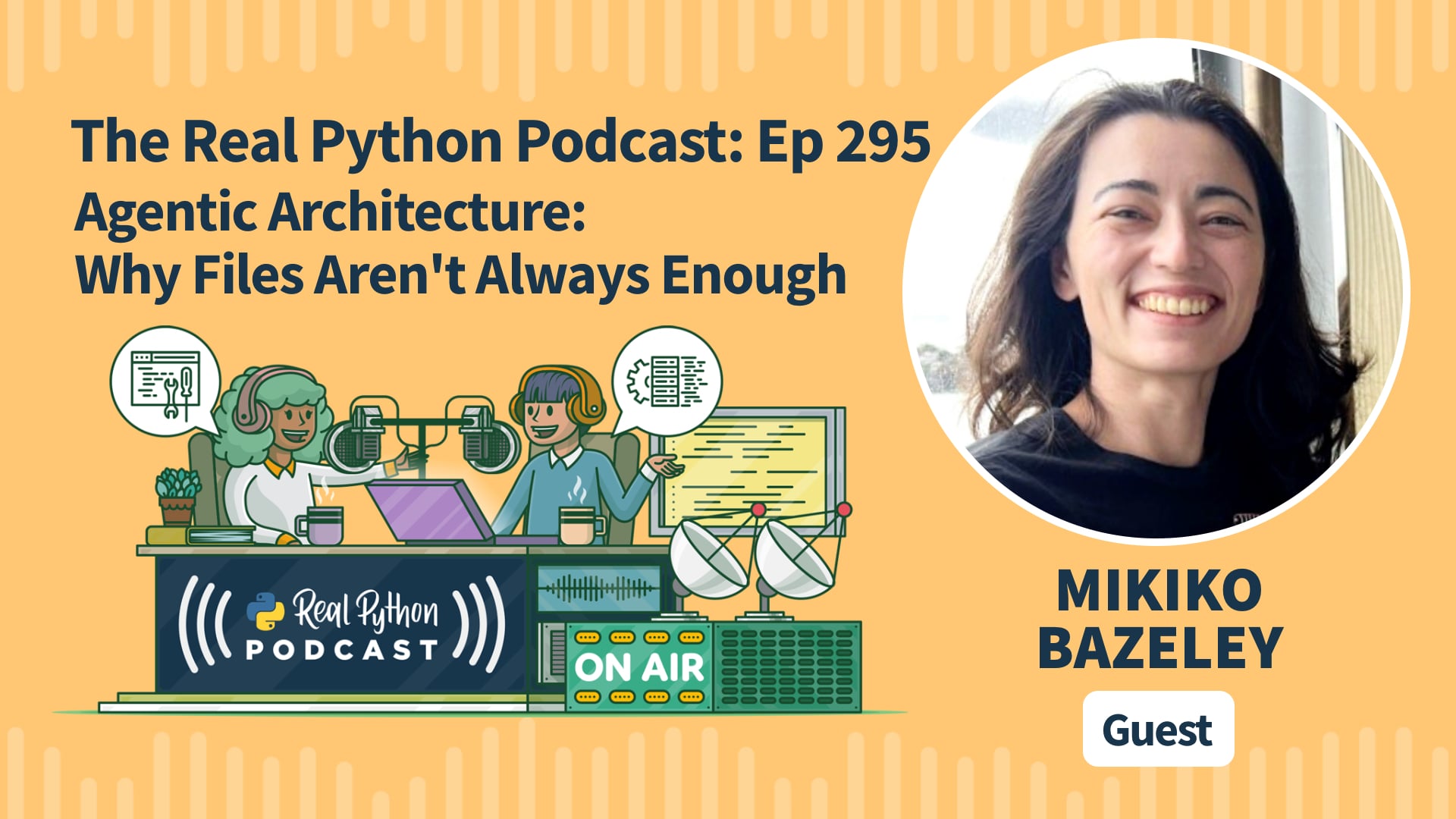
San Francisco, CA — A leading engineer from MongoDB has issued an urgent warning about a fundamental weakness in current AI agent architectures: relying on file-based workflows leads to catastrophic failure as context windows grow. Mikiko Bazeley, a senior architect at MongoDB, revealed in a recent interview that massive context windows—intended to give AI agents more memory—actually cause systems to become unstable and lose coherence.
“We’ve seen it time and again: as you stuff more files into an agent’s context window, performance collapses,” said Bazeley. “The agent can’t maintain focus, and hallucinations skyrocket.” Her comments come as organizations rush to deploy AI agents for complex tasks, from code generation to customer support.
Background
File-based agent workflows are the default approach for many developers. The agent reads a set of files (code, documents, data) and uses them as context to answer questions or take actions. But this method has deep limitations. The agent processes every file equally, unable to prioritize relevant information.
Context engineering attempts to solve this by carefully crafting prompts and selecting which files to include. However, as the number of files grows, the linear context window of large language models fills up quickly. Bazeley explains: “When you keep adding files to the context, the model’s attention mechanism disperses. It starts treating trivial details as important and misses the big picture.”
The result is that agents become unreliable. They may produce answers that are technically correct but contextually irrelevant, or they may simply fail to process the input at all. This problem is especially acute in production environments where agents must handle hundreds or thousands of files.
What This Means
For developers building AI agents, the message is clear: file-based workflows are not scalable. Relying on them can lead to brittle systems that perform well in demos but fail in real-world use. The industry must shift toward smarter context management—such as using vector databases for retrieval-augmented generation (RAG), hierarchical summarization, or agentic architectures that dynamically decide what to include.

“We need to move beyond the naive approach of dumping files into a giant context window,” Bazeley said. “Agentic architecture is about giving the agent the ability to retrieve, filter, and reason about information, not just memorize it.” This aligns with a growing trend in the AI community: building agents that can actively manage their own context, rather than relying on static file lists.
Bazeley also emphasized that context engineering is a critical skill. “Invest time in designing how your agent interacts with data. Use structured representations, metadata, and clear priorities. The payoff is huge in terms of reliability and performance.”
What Developers Can Do Now
- Audit your current workflows: Identify where agents are given too many files or unfiltered data.
- Adopt retrieval-augmented generation (RAG): Use vector search to pull only relevant documents into context.
- Implement context budgeting: Limit the total tokens available and force the agent to prioritize.
- Test with increasing file loads: Monitor where performance degrades and redesign accordingly.
The broader implication is that the next wave of AI advancement will come not from bigger models, but from smarter architectures. As Bazeley put it: “Context windows are a finite resource. Engineering how we use them is the key to unlocking truly reliable autonomous agents.”
Stay informed: Background | What This Means | Next Steps