EFF Mobilizes Offline Campaign for Saudi Wikipedia Editor Osama Khalid
Background: A Young Advocate for Open Knowledge
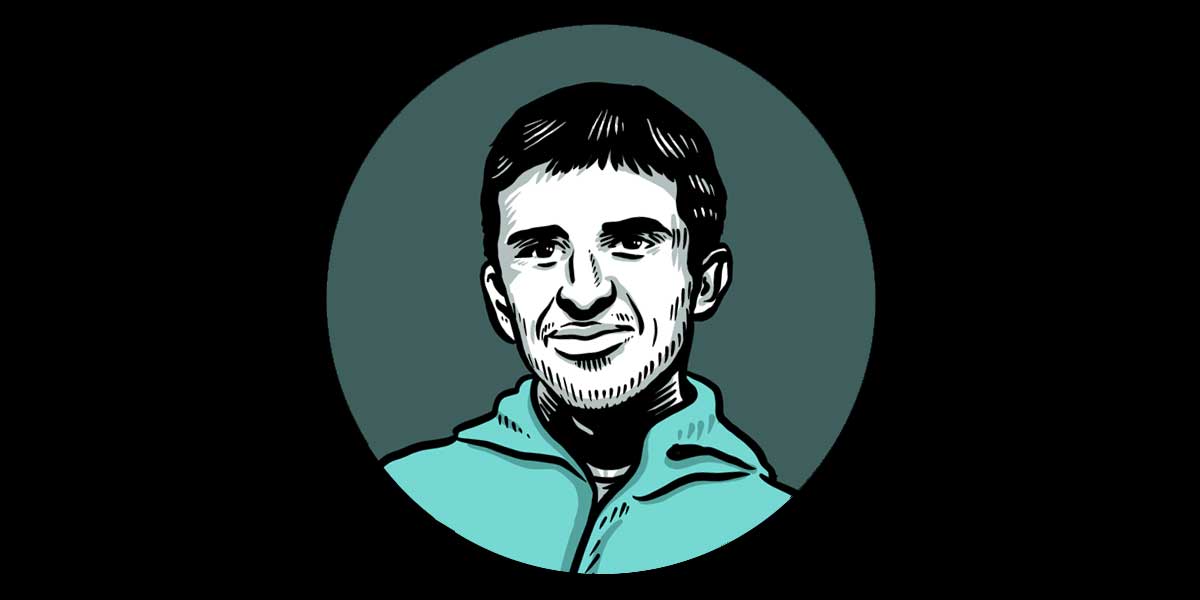
Osama Khalid began his journey as a Wikipedia editor at the age of twelve, contributing to the Arabic version of the encyclopedia. During the boom of blogging, he became a prolific writer, documenting life in his native Saudi Arabia, sharing insights from events he attended, and voicing his perspectives on open source technology and freedom of expression. His dedication extended beyond writing: he translated content for various projects, including the Electronic Frontier Foundation’s HTTPS Everywhere extension, and was an active participant in international conferences—all while pursuing medical training to become a pediatrician.
The Arrest and Unstable Sentences
In July 2020, during the COVID-19 lockdown, Saudi authorities launched a wave of arbitrary detentions. Osama was among those taken into custody. Initially handed a five-year prison sentence, his punishment was drastically increased on appeal to 32 years. In 2023, the term was reduced to 25 years, and then again in September of that same year to 14 years. The Saudi human rights organization ALQST, which has been leading advocacy efforts for his release, highlighted the erratic nature of these sentences in a joint letter: “The huge discrepancy between sentences handed down at different stages in the case underscores the arbitrary manner in which sentencing is carried out in the Saudi judicial system.”
The Charges: A Clash with Official Narratives
What exactly was Osama’s offense? Sharing information online that contradicted official government narratives. His Wikipedia contributions included articles on critical human rights issues within Saudi Arabia, such as the treatment of women’s rights activist Loujain al-Hathloul (who is also an EFF client) and the notorious al-Ha’ir prison. His blog, now taken offline, contained posts criticizing government plans to surveil encrypted messaging platforms. These actions were deemed unacceptable by authorities, leading to his prosecution under vague cybercrime laws.
Broader Implications for Free Expression
Osama’s case is not an isolated incident. Over the years, the EFF has campaigned for the release of several individuals imprisoned for their speech, including Swedish software developer Ola Bini, who has been targeted by Ecuador’s government for seven years, and Egyptian-British activist Alaa Abd El Fattah. These cases demonstrate that attacks on free expression are not confined to any single country; governments worldwide use broad cybercrime legislation, national security claims, and politically motivated prosecutions to silence critics, technologists, journalists, and activists.

Defending Principles Beyond Individuals
Supporting these individuals through EFF’s Offline project is about more than just personal defense. It is about upholding the principle that writing code, sharing ideas, critiquing governments, and organizing online should never be treated as crimes. Public pressure, international solidarity, legal advocacy, and sustained campaigns can shift the political cost of repression—and in some cases, help secure meaningful protections for those targeted.
EFF’s Offline Campaign and Call to Action
That’s why the EFF is launching a new offline campaign specifically to highlight Osama’s case, working closely with partners like ALQST to advocate for his release. Osama Khalid, like so many human rights defenders, remains behind bars simply for exercising his fundamental rights. By amplifying his story and mobilizing support, the EFF aims to push for a reduction in his sentence or his outright release. Learn more about how you can help by visiting the EFF’s action page (external link) or following updates from ALQST.
Together, we can make a difference. Stand with Osama.