10 Insights into Design’s Next Era: Making People Feel Seen
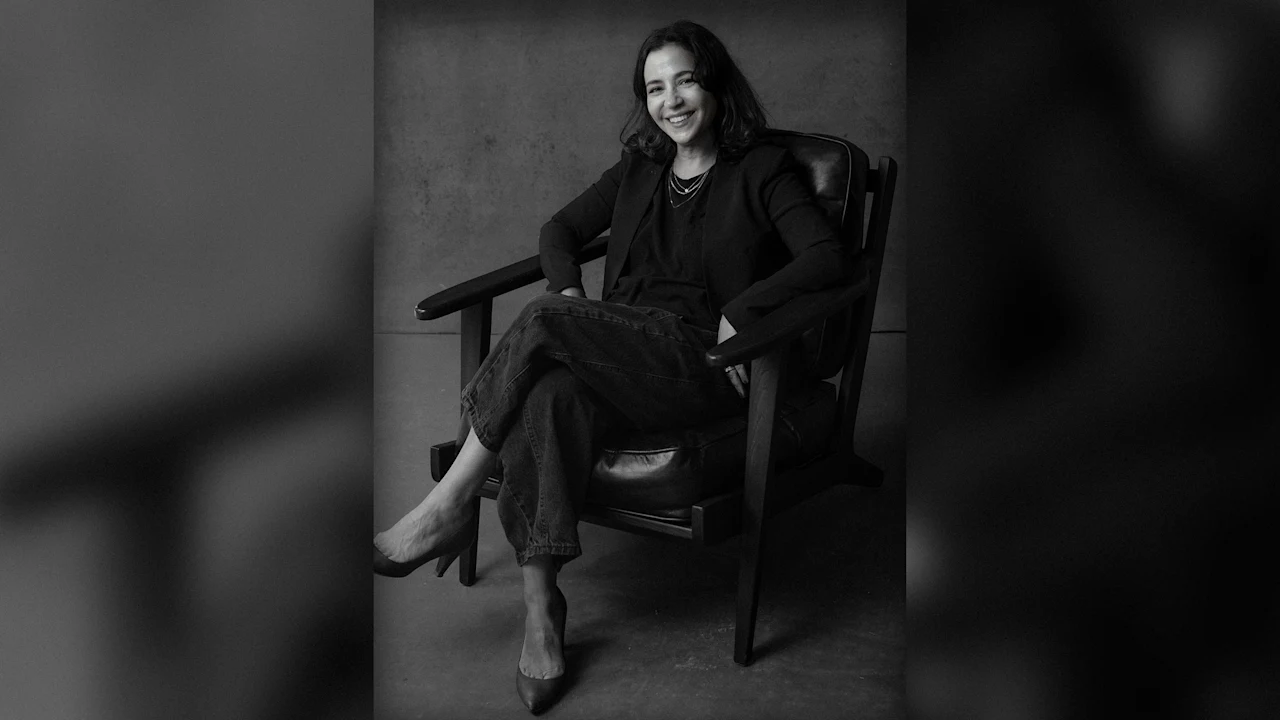
Design is entering a profound transformation—moving beyond aesthetics and usability to something far more human: making people feel truly seen. Alison Rand, a strategist, author, and design leader, has spent decades navigating this frontier. From her early days restoring frescoes to building digital experiences at firms like Huge and Hot Studio, Rand’s path is a masterclass in blending intuition with structure. Her recent book, Sentido, and her work at the intersection of foresight and emotional labor offer a blueprint for designers who want to shape a more empathetic future. Here are 10 essential insights from her journey.
1. Alison Rand’s Meandering Path: From Frescoes to Front-End
Rand’s career didn’t follow a straight line. She studied art history with dreams of restoring frescoes, but after graduation, her father’s words—Happy Independence Day
—pushed her into the job market. Landing at IBM as a secretary, she soon joined the intranet department, teaching herself to code and becoming a front-end developer. This accidental start gave her a unique lens: the technical rigor of coding combined with her foundational love for creativity. Later, at Huge, she discovered user experience, and at Hot Studio, she absorbed human-centered design. The key? Being open to what comes while making intentional choices along the way.
2. The Power of Intentional Curiosity
Rand describes her path as unintentionally intentional.
Her deep curiosity about relationships and people, paired with a willingness to take advantage of opportunities, shaped her career. She didn’t force a plan but stayed alert to possibilities—whether learning UX at Huge or building a new office for Hot Studio. This mindset allowed her to weave together diverse skills: art, code, strategy, and leadership. For designers, it’s a reminder that the most creative careers often emerge from following threads of genuine interest, even when the destination isn’t clear.
3. Sentido: The Multilayered Meaning of Sense
Rand’s book, Sentido, takes its title from a Spanish word meaning sense, meaning, direction, and awareness. It’s a guiding light for her philosophy, blending personal narrative with leadership advice. The book is part feminist manifesto, part field guide for navigating systems that weren’t built for you—especially for women and marginalized groups. It addresses the emotional labor of leading creative teams and champions the value of organic intelligence over rigid frameworks. Sentido is, at its core, a call to trust intuition and identity as sources of power.
4. Designing for Systems Not Built for You
One of Rand’s core themes is working within structures that exclude you. Many creatives, especially women, find themselves in organizations designed by and for others. Rand argues that this requires a dual skill: understanding the system while carving out space for your own perspective. She advises designers to study how decisions travel and how culture is shaped through structure. This isn’t about blaming the system, but about gaining the foresight to navigate it—and eventually, reshape it.
5. Adversity as a Professional Superpower
Rand sees adversity not as a setback but as a superpower. Her experiences of feeling like an outsider because of her gender or background gave her heightened empathy and sharper instincts. Instead of hiding those struggles, she incorporates them into her design practice. For leaders, this means recognizing that diverse struggles bring unique insights. The ability to thrive despite obstacles becomes a form of expertise—one that informs better, more inclusive design decisions.
6. Representation and Emotional Labor Are Core Design Concerns
Design doesn’t happen in a vacuum. For Rand, representation isn’t just about visuals; it’s about who gets to shape experiences and whose emotional labor is valued. She highlights that much of the unspoken work in teams—building trust, managing conflicts, supporting others—falls on underrepresented groups. Design leaders must acknowledge this labor and redistribute it fairly. Making people feel seen means recognizing the human costs behind the creative process.
7. Systems Thinking and Foresight in the Age of AI
As AI reshapes the landscape, designers need more than technical skills—they need foresight. Rand is pursuing a master’s in Strategic Foresight to understand how to prepare for multiple futures. She advocates for using systems thinking to anticipate how AI will affect human interactions, ethical choices, and equity. Designers must bring intuition, judgment, and responsibility to the table, ensuring AI amplifies human connection rather than fractures it.
8. The Emotional Work Behind Creative Leadership
Leading creative teams requires more than project management; it demands emotional intelligence. Rand’s concept of emotional labor
includes the invisible effort to maintain harmony, inspire confidence, and navigate power dynamics. She argues that this work is often undervalued, especially when performed by women. Good design leaders normalize these conversations, creating cultures where vulnerability is strength and care is part of the process.
9. Intuition, Identity, and Power in Design
Sentido also explores how intuition—the organic intelligence
we all possess—can be a radical tool. Rand believes that designers often downplay their gut feelings in favor of data, but the best decisions blend both. Identity, too, is a source of power: who you are shapes what you notice and create. By embracing personal narrative, designers can bring authenticity to their work, making products that resonate on a deeper level.
10. The Next Era: Making People Feel Seen
The ultimate goal of design’s next era is simple yet profound: to make people feel seen. This means moving beyond personas and metrics to truly understand individuals—their struggles, aspirations, and contexts. Rand’s work, from Sentido to her platform Forty Fifty for midlife women, exemplifies this shift. Design becomes an act of recognition, honoring each person’s story. For practitioners, it’s a call to approach every project with empathy, foresight, and a commitment to seeing the human behind the user.
These ten insights from Alison Rand paint a picture of design as a deeply human endeavor. It’s not just about solving problems, but about acknowledging the people who live with those solutions. As she shows, the future of design belongs to those who listen, feel, and dare to see others clearly. Whether you’re a seasoned leader or a budding designer, letting these principles guide your work can transform both your process and your impact.