How to Achieve More Reliable Encrypted Backups with Labyrinth 1.1: A Step-by-Step Guide
Introduction
End-to-end encryption ensures that your messages remain private, but what happens when you lose your device or take a long break from signing in? Traditionally, encrypted backups relied on your device being online to sync messages, leaving gaps if your phone went missing or you switched devices. Meta's Labyrinth protocol, now updated to version 1.1, introduces a new sub-protocol that solves this problem by placing each message directly into your encrypted backup the moment it's sent — no waiting for the recipient's device to come online. This guide walks you through the key steps in how Labyrinth 1.1 works, so you can understand the process and ensure your message history remains intact across device changes, losses, or long gaps between sign-ins.
What You Need
- A Messenger account with end-to-end encrypted backups enabled. This is available in the app's settings under Privacy & Security.
- The latest version of Messenger installed on your device to support Labyrinth 1.1.
- A backup PIN or recovery code set up to secure your encrypted backup — this is essential for restoring messages on a new device.
- Basic understanding of how encryption keys work (public/private key pairs and message encryption keys). No coding required, but the concepts help you follow the steps.
Step 1: Understand the Old Method (Why Reliability Was a Challenge)
Before Labyrinth 1.1, Messenger's encrypted backups worked by waiting for your device to come online and upload messages to the backup. If you lost your phone, switched to a new one, or didn't sign in for weeks, messages sent during that period might not be preserved in your backup. The protocol relied on the recipient's device being active to sync the encrypted history. This created a reliability gap — your message history could be incomplete when you needed it most.
Step 2: Learn How the New Sub-Protocol Works
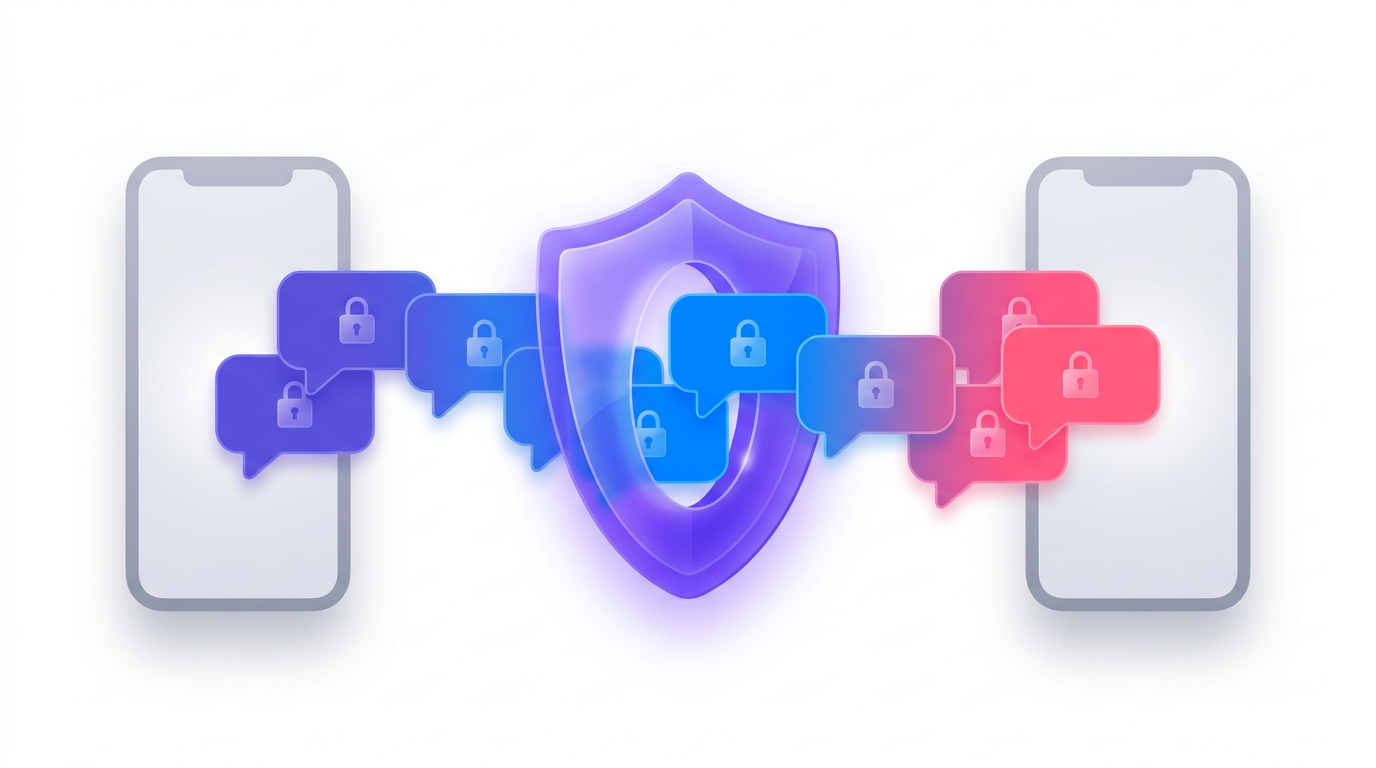
The core innovation in Labyrinth 1.1 is a sub-protocol that lets the sender place a message directly into the recipient's encrypted backup at the time of sending — analogous to dropping a sealed envelope into a locked box that only the recipient can open. The sender does not need the recipient's device to be online; they only need access to the recipient's public backup key. This design ensures that even if the recipient's device is offline, the message is safely stored in the backup server in an end-to-end encrypted form.
Step 3: Sender Encrypts the Message
When you send a message to someone, your Messenger app first generates a unique message encryption key. This key encrypts the message content. Then, using the recipient's public key (which is stored securely in the Labyrinth protocol), the sender wraps that message encryption key itself with the recipient's public key. This double-layer encryption means that only the recipient's private key can unwrap the message key, and only that key can decrypt the actual message.
Step 4: Sender Places the Encrypted Message into the Recipient's Backup
Instead of sending the encrypted message directly to the recipient's device, Labyrinth 1.1 routes it to the recipient's encrypted backup storage. The sender's app sends a specially formatted update to the backup server that includes the encrypted message (along with its wrapped key). This update is cryptographically signed by the sender and can only be added to the recipient's backup if the protocol's integrity checks pass. The sender does not need to know the recipient's backup PIN or any other secret — they only use the public key material available in the protocol.

Step 5: Recipient Retrieves and Decrypts the Message Later
When the recipient next signs into Messenger — whether on the same device, a new phone, or after a long absence — the app fetches the latest state of the encrypted backup. It downloads the new encrypted messages that were placed by senders during the offline period. The recipient's private key (which is derived from their backup PIN or recovery code) can unwrap the message encryption key for each message, and then that key decrypts the message content. This process happens automatically in the background, restoring the complete message history across all conversations.
Step 6: Verify That Your Backup Is Working Correctly
After setting up or updating Messenger, you can test that Labyrinth 1.1 is functioning by performing a simple check: send a message to a friend from one device, then immediately turn off that device or switch to a different device. Sign in on another device that hasn't received the message yet. If the message appears in your conversation history after the backup restores, the new sub-protocol is working. Meta reports meaningful gains in successful backups and message history restoration since rolling out Labyrinth 1.1.
Conclusion: Tips for Maximizing Backup Reliability
- Always set a strong backup PIN or recovery code. This is the master key to your encrypted backup. Losing it means losing access to your message history. Write it down in a secure place (not digitally).
- Keep your Messenger app updated. Labyrinth 1.1 requires the latest version. Enable automatic updates to ensure you never miss protocol improvements.
- Test your backup recovery periodically. For example, log out and log back in on the same device to see if your full history restores. If something's missing, check your backup settings.
- Understand that encryption keys are tied to your account, not your device. Even if you lose all your devices, your backup can be recovered on a new phone as long as you have your backup PIN or recovery code.
- Remember that nothing is readable by Meta or any third party. The encryption keys never leave the control of the participants. This means that no one — not even the company — can access your messages.
For more technical details, refer to the updated white paper "The Labyrinth Encrypted Message Storage Protocol." With Labyrinth 1.1, your encrypted backups become dramatically more reliable, ensuring your private conversations survive device changes, loss, or long breaks.