Alsym and Juniper Ink Deal for 500 MWh Sodium-Ion Grid Storage, First Major US Deployment
Breaking: Alsym Energy Partners with Juniper for 500 MWh Sodium-Ion Battery Storage
In a landmark agreement announced today, Alsym Energy has partnered with Juniper to deploy 500 megawatt-hours (MWh) of sodium-ion battery storage systems across California and other U.S. states. The deal marks one of the largest commercial orders for sodium-ion technology in the country, signaling a shift toward cheaper, safer alternatives to lithium-ion.
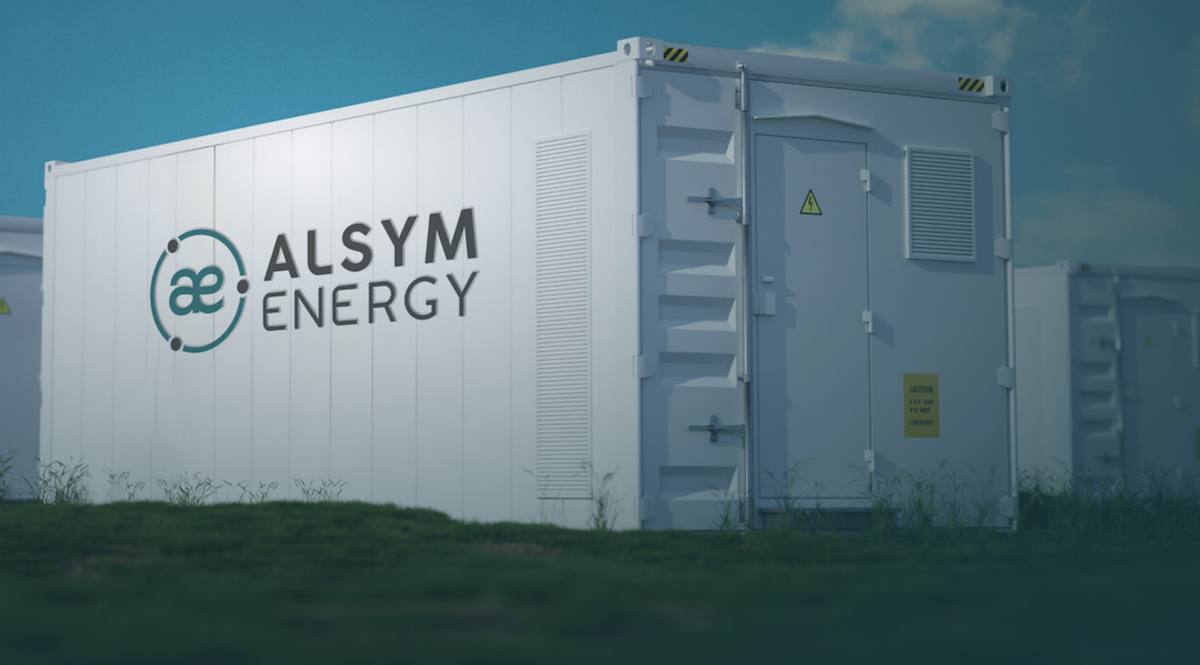
“This partnership accelerates the transition to grid-scale energy storage without the supply chain risks of lithium or cobalt,” said Dr. Priya Singh, Alsym’s Chief Technology Officer. “Sodium-ion batteries are abundant, non-flammable, and cost-effective—ideal for balancing renewable energy on the grid.”
Background
Alsym Energy, a startup founded in 2015, has developed a sodium-ion battery chemistry that avoids rare minerals entirely. The company’s technology uses manganese oxide cathodes and a water‑based electrolyte, resulting in lower costs and improved safety compared to conventional lithium‑ion.
Juniper, an energy infrastructure firm based in Oakland, California, specializes in developing utility‑scale solar and storage projects. The company has a pipeline of over 2 GW of renewable assets and sees sodium-ion as a key enabler for long‑duration storage.
“We’ve tested Alsym’s batteries for two years,” said Mark Chen, Juniper’s Vice President of Engineering. “They pass all UL and fire safety tests, and the chemistry operates well in high temperatures—crucial for California’s summer grid peaks.”
What This Means
The 500 MWh deployment will be split across multiple sites, with the first projects expected online by early 2026. Analysts estimate the sodium‑ion batteries could cut storage costs by 30% compared to lithium‑iron‑phosphate systems, while eliminating fire risks.
“This is a watershed moment for grid storage,” said energy analyst Laura Kim of GridTech Research. “If sodium‑ion proves reliable at scale, it could break lithium‑ion’s monopoly on stationary storage and accelerate renewable integration.”
The deal also has geopolitical implications: sodium is abundant globally, unlike lithium reserves concentrated in Australia and South America. “Energy security is about more than just generation,” added Dr. Singh. “It’s about knowing your batteries won’t be held hostage by supply chains.”
Juniper expects the systems to provide 5 MW/20 MWh of capacity per installation, using a modular containerized design. The companies will jointly bid into California’s Resource Adequacy program and other state capacity markets.
Learn more about the technology behind this deal | See how sodium-ion could reshape the grid