Father’s Workout: How Dad’s Exercise Can Boost His Children’s Athleticism
The Surprising Discovery: Paternal Exercise and Offspring Fitness
On a sunny afternoon in Jiangsu, China, biochemist Xin Yin plays the role of a personal fitness coach—but his clients are mice. One by one, he places the rodents on a miniature treadmill that starts at a slow pace and gradually increases speed. These littermates are natural athletes, capable of running longer distances with less lactic acid buildup compared to standard lab mice. But here's the twist: their exceptional stamina does not come from their genes. The animals are genetically identical to a control group, and they have undergone no special training. Instead, their superior running ability appears to stem from their father's exercise routine before they were even conceived.
“I was very surprised when I first saw the data,” says Yin, a biochemist at Nanjing University. This finding hints at a remarkable possibility: that the benefits of exercise may extend beyond the one who works out, potentially passing to future generations.
How the Experiment Worked
To test whether paternal exercise could influence offspring, Yin and his colleagues designed a controlled experiment. Male mice were divided into two groups: one group ran on a treadmill regularly for several weeks, while the other group remained sedentary. After the exercise period, both groups of males were mated with female mice that had never exercised. When the pups were born and later tested, the results were striking. The offspring of the exercising fathers outperformed the control group in running endurance, showing greater distance covered and lower levels of fatigue markers.
Genetic vs. Epigenetic Inheritance
Because the mice were from the same genetic stock, the differences could not be explained by variations in DNA sequence. This led the researchers to suspect an epigenetic mechanism—changes in how genes are expressed without altering the underlying DNA. Epigenetic modifications can be influenced by lifestyle factors, such as diet and exercise, and some of these changes can be passed to offspring through sperm or eggs.
The Role of RNA in Passing Fitness Benefits
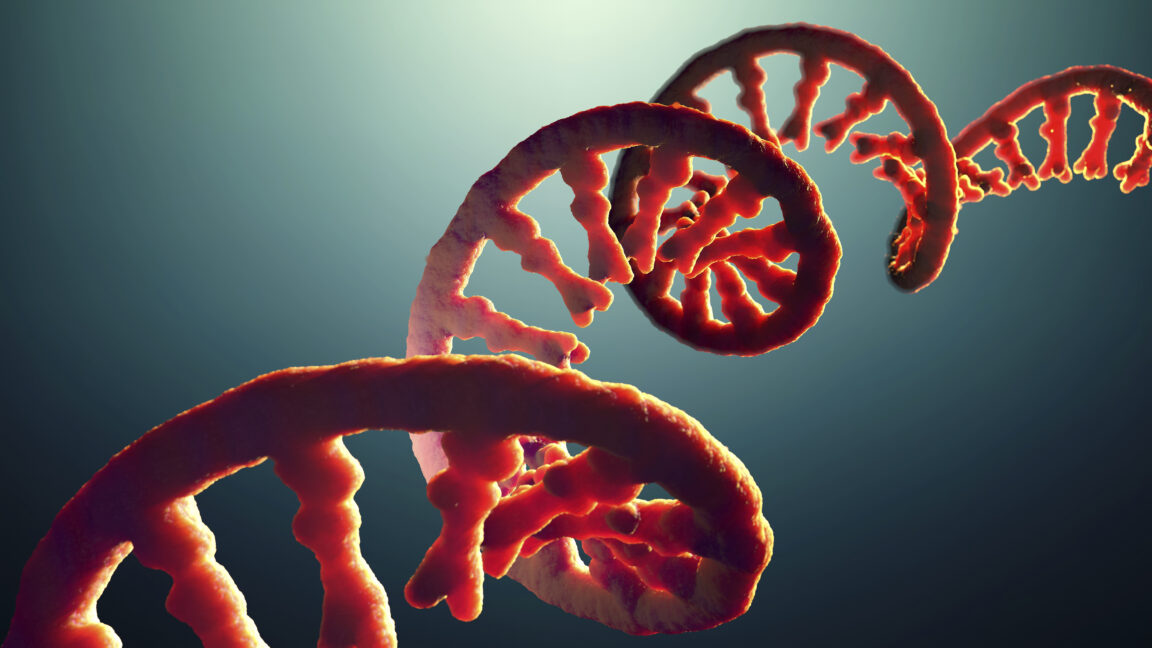
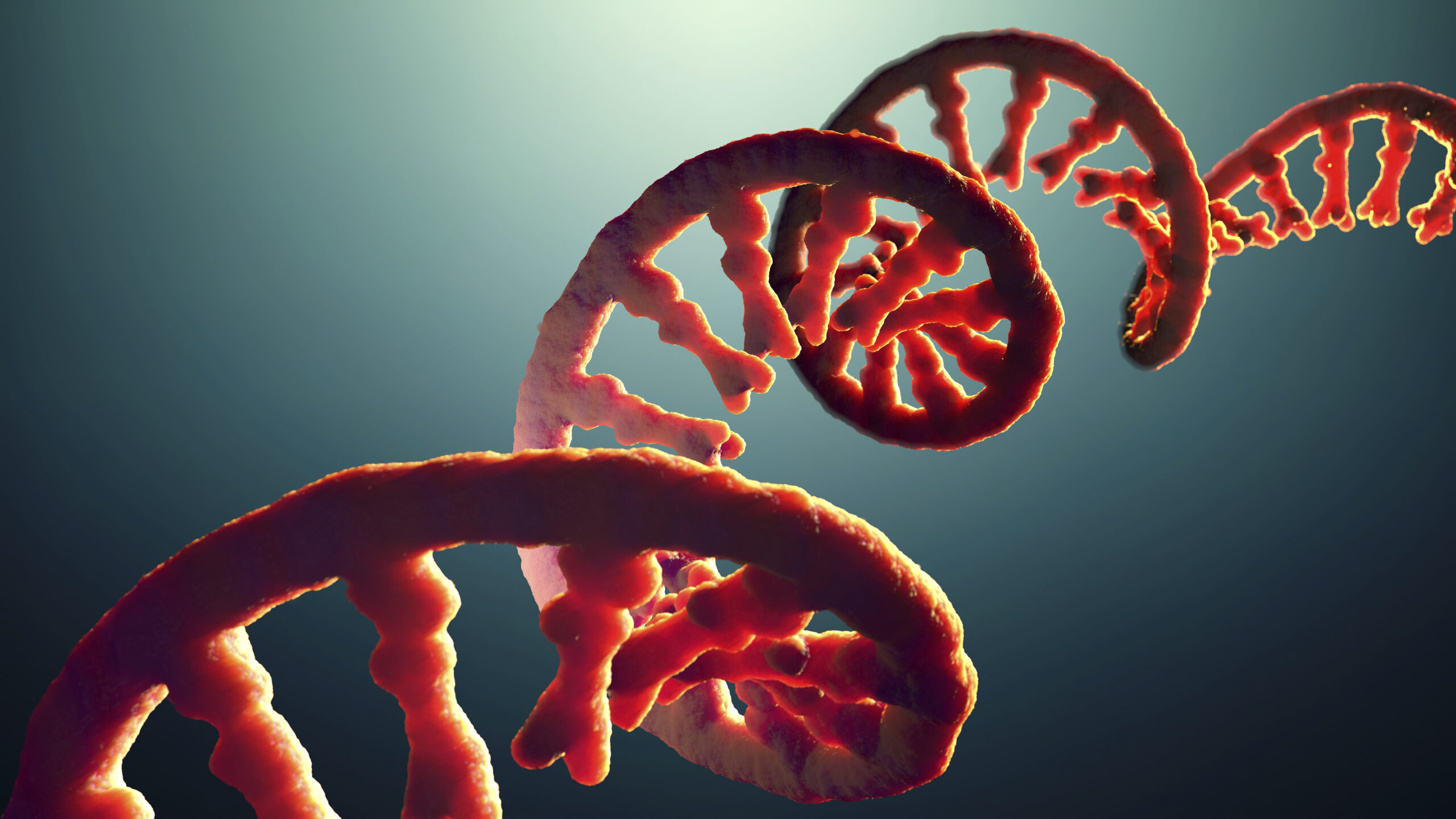
Further analysis of the fathers' sperm revealed a clue: the exercising males had altered levels of certain RNA molecules. RNA, often described as a messenger between DNA and protein synthesis, can also carry epigenetic information. The specific changes were in a class of small non-coding RNAs known as tRNA fragments (tRFs). These molecules are abundant in sperm and have been implicated in intergenerational inheritance in other contexts.
When the researchers injected RNA isolated from the sperm of exercised males into fertilized eggs from sedentary fathers, the resulting pups showed improved running endurance. This experiment provided direct evidence that the RNA molecules themselves were sufficient to transfer the fitness benefit.
Implications for Human Health
While these findings come from a mouse model, they open up intriguing questions about human inheritance. Could a man's exercise habits before fatherhood influence his children's health and athletic potential? Previous studies have already suggested that a father's diet and stress levels can affect offspring, and this research adds exercise to the list of potentially inheritable lifestyle factors.
It is important to note that the effect in mice was modest and that human biology is far more complex. Nevertheless, the study underscores how our choices may ripple across generations, not just through the genes we pass on but through the molecular marks we leave on them.
What’s Next?
Yin and his team plan to investigate whether similar RNA changes occur in human sperm after exercise, and whether the beneficial effects persist beyond the first generation. They are also exploring how long the epigenetic memory lasts after a father stops exercising. “We want to know if the window of opportunity is limited,” Yin says.
In the meantime, the study offers an extra motivation to stay active—not just for your own health, but potentially for that of your future family.
A New Perspective on Inheritance
The idea that our lifestyle can shape the biology of our children has profound implications. It challenges the traditional view that inheritance is solely about DNA sequences and suggests that our daily habits—like running, eating well, or managing stress—can leave biological echoes that influence the next generation. As research progresses, we may discover that becoming a parent starts long before conception, with the choices we make every day.
For now, the message from the Jiangsu lab is clear: if you want your kids to be athletes, you might want to hit the treadmill yourself.