5 Steps a California Startup Is Taking to Shield Earth from Rogue Asteroids
Think of an asteroid hurtling toward Earth with city-destroying power. It sounds like a movie plot, but it's a real concern—and one company in California is stepping up. Exploration Labs has proposed Apophis EX, the first commercial deep-space ride-share mission, to rendezvous with the potentially hazardous asteroid Apophis. This listicle unpacks the threat, the mission, and how it could transform planetary defense.
1. The Asteroid That Keeps Scientists Awake
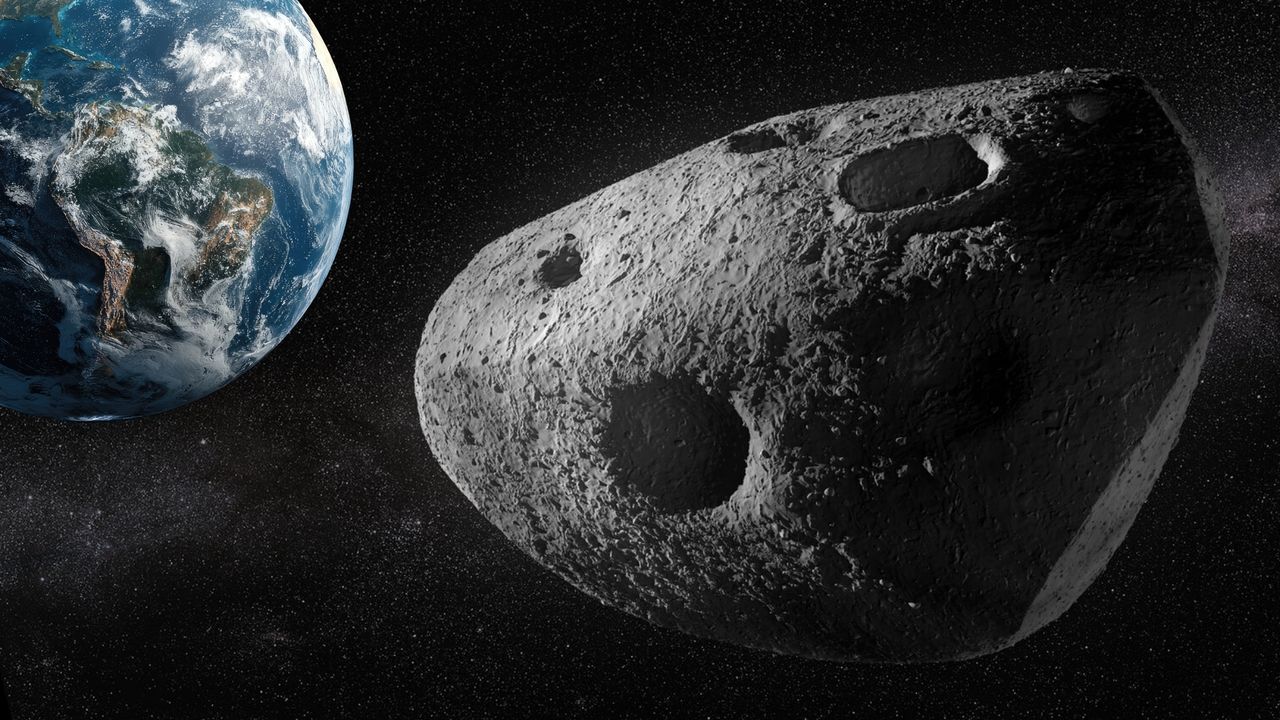
Apophis is a near-Earth asteroid roughly 370 meters in diameter. When discovered in 2004, initial calculations gave it a 2.7% chance of hitting Earth in 2029, sparking global interest. Later observations ruled out that impact, but Apophis will pass closer than some satellites in 2029. Its size—big enough to level a large city—and its orbit make it a classic potentially hazardous asteroid. Understanding it is key to protecting our planet. That's where Exploration Labs comes in.
2. Apophis EX: The First Commercial Ride-Share Mission
Exploration Labs, a California-based startup, is launching Apophis EX, a mission that piggybacks on commercial rockets using a ride-share model. Instead of a costly dedicated probe, Apophis EX shares a launch with other payloads, drastically cutting costs. Once in space, the spacecraft will travel to Apophis, performing a flyby or rendezvous. This approach makes asteroid exploration affordable and repeatable, opening the door for frequent planetary defense missions. It's a classic startup innovation applied to space.
3. Why Studying Apophis Is Urgent for Earth's Security
Even though Apophis won't hit Earth in 2029, its close approach offers a rare chance to study an asteroid up close. Data gathered—like composition, spin, and Yarkovsky effect—will help scientists predict future trajectories and devise deflection methods. If Apophis were on a collision course, knowing its exact structure would be critical. As the original article states, “This is going to be what makes the Earth secure.” By observing this asteroid, we build a defense playbook for the next big threat.
4. How a Commercial Mission Could Deflect Danger
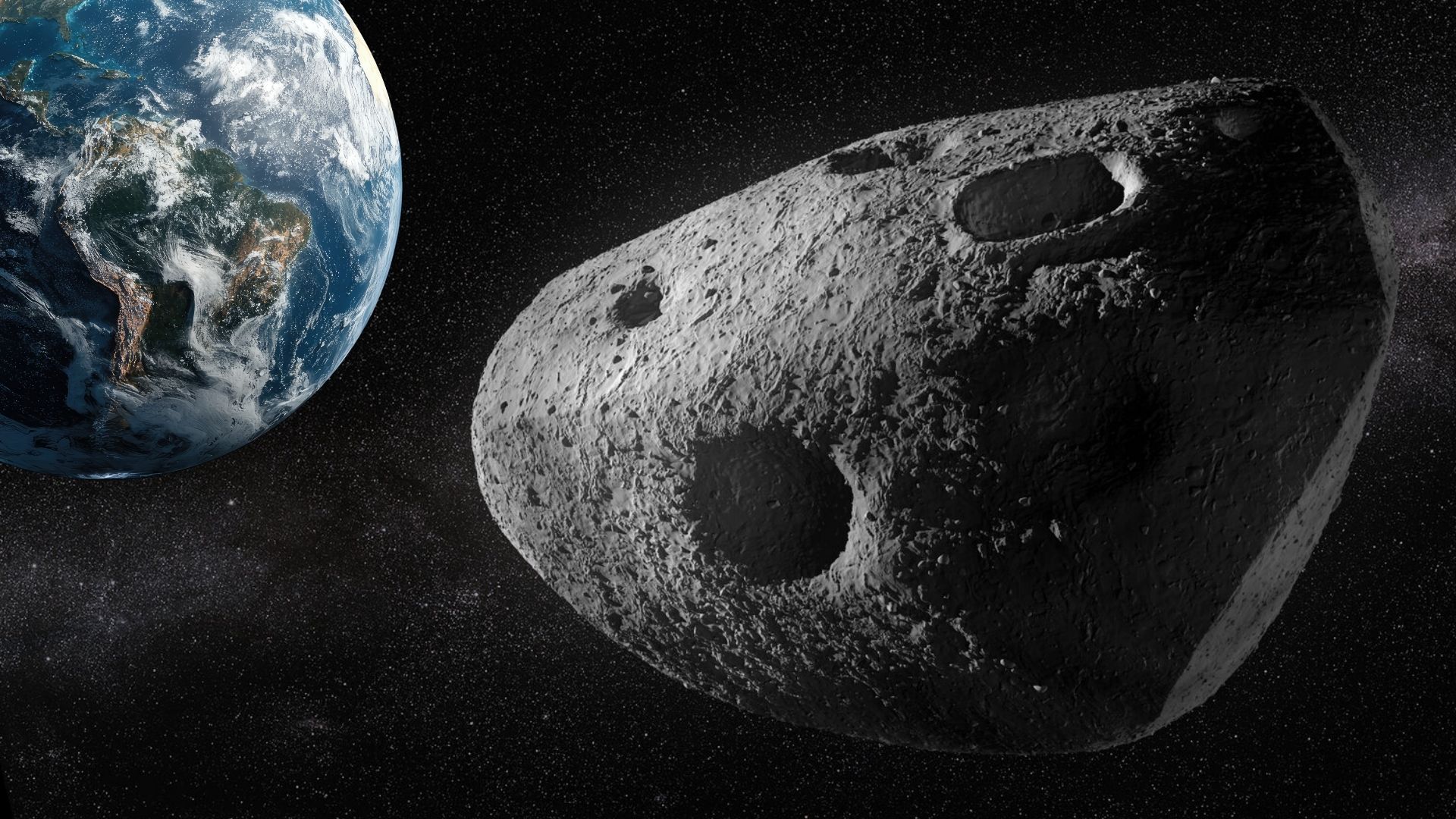
Rendezvousing with an asteroid is the first step toward deflection. Missions like DART (NASA) prove we can nudge an asteroid, but commercial missions add redundancy. Apophis EX could test technologies such as ion beams, gravity tractors, or kinetic impactors. A ride-share platform means multiple nations or companies could contribute instruments. Lower costs = more missions = better preparedness. Exploration Labs aims to show that planetary defense doesn't have to break the bank.
5. The Bigger Picture: A Commercial Shield for Earth
If Apophis EX succeeds, it could pave the way for a commercial asteroid defense network. Startups might offer „asteroid monitoring as a service” or „ride-share deflection missions.” Governments could buy slots on these missions rather than funding expensive solo projects. This creates a sustainable ecosystem where innovation and profit align with planetary safety. Exploration Labs isn't just protecting Earth from Apophis—they're building a model to protect it from all dangerous asteroids, one ride-share at a time.
In conclusion, the threat from asteroids is real but manageable. With missions like Apophis EX, a California startup is turning science fiction into practical defense. Commercial ride-share space exploration might just be the key to keeping Earth safe—and it's happening now.