The Great Divide: One Nation Represents Australia’s Top Renewable Regions While Campaigning Against Them
Introduction
In a surprising twist of political geography, One Nation now holds a seat in the heart of two of Australia’s most promising wind and solar regions, yet the party remains staunchly opposed to renewable energy projects. This contradiction raises questions about representation, energy policy, and the future of Australia’s transition to clean power. The recent victory in the Farrer electorate marks a significant shift, placing the party at the intersection of abundant renewable resources and a skeptical political stance.

One Nation’s Victory in Farrer
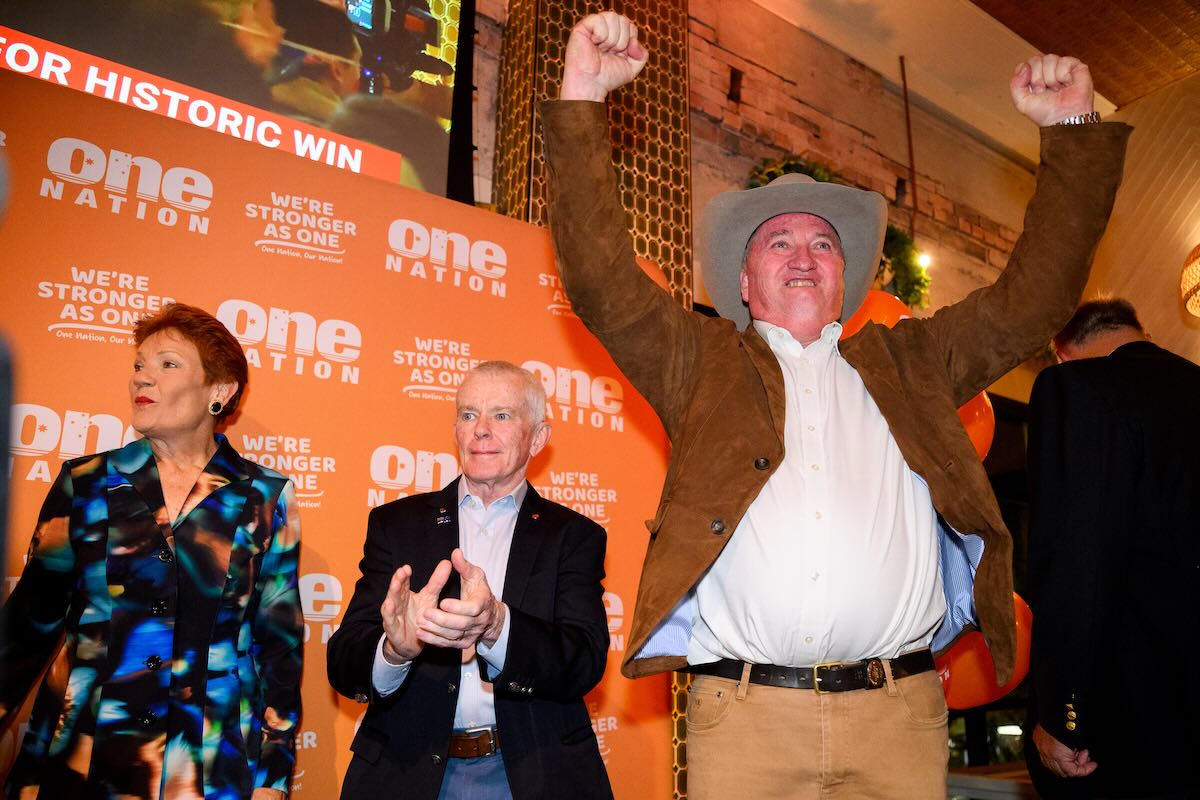
One Nation’s candidate secured a major win in the federal division of Farrer, a region known for its agricultural heartland and increasing renewable energy activity. The electorate, stretching across southern New South Wales, includes areas like Wagga Wagga and the Riverina, which are rapidly becoming hubs for wind and solar farm developments. This victory gives One Nation a direct voice in Australia’s Parliament, with the party now arguing for an end to renewable energy incentives in favor of traditional fossil fuels and nuclear power.
The Electorate’s Renewable Potential
Farrer is not just any region—it sits within the South West Renewable Energy Zone (REZ), one of the nation’s most promising areas for renewable energy generation. The region boasts high solar irradiation and consistent wind speeds, making it ideal for large-scale projects. Several major wind farms are already operational or under construction, and solar farms are proliferating, supported by state and federal targets. Yet One Nation’s platform explicitly calls for halting these projects, labeling them as economically unviable and a threat to energy reliability.
The Irony of Representation
The coexistence of strong renewable energy potential and a representative who opposes it creates a stark irony. Local communities in Farrer have embraced renewables, with many landowners leasing land for wind turbines or solar panels, generating significant income. Farmers and businesses are diversifying their incomes through these projects, which also create local jobs. One Nation’s dismissal of these benefits as a “scam” directly contradicts the lived experience of their constituents. This tension highlights the disconnect between national party rhetoric and local realities.
One Nation’s Energy Policy: Coal, Gas, and Nuclear
One Nation’s energy vision revolves around expanding coal-fired power, boosting gas extraction, and exploring nuclear energy, despite Australia’s ban on nuclear power projects. The party argues that renewables are unreliable and too expensive, ignoring the rapid cost declines in solar and wind. They advocate for building new coal plants and maintaining existing ones, even as the market moves away from coal due to aging infrastructure and environmental concerns. The party’s stance aligns with conservative energy lobbies but clashes with the majority of Australian voters who support renewable energy.
Implications for Australia’s Energy Transition
One Nation’s influence could slow Australia’s renewable energy rollout, especially if they gain more seats. Their representation in a key renewable zone sends a confusing signal to investors. The Australian Energy Market Operator (AEMO) projects that renewables will provide over 80% of electricity by 2030 under current policies. One Nation’s opposition risks undermining these targets and increasing dependence on volatile fossil fuel markets. Furthermore, delaying renewables could raise power prices and emissions, as new coal and gas plants are more expensive to build and operate.
Impact on Local Communities and Investment
In Farrer, the uncertainty around policy could deter investment in new projects. Developers may hesitate if they fear political backlash or policy reversals. Local workers in renewable construction and maintenance may face job losses if projects are shelved. Conversely, communities that rely on coal mining in other regions may see One Nation’s stance as a lifeline, but fossil fuel jobs are declining globally. The party’s plan to revive coal lacks a realistic path, as private finance abandons coal due to risk.
Conclusion
One Nation’s representation of two of Australia’s best wind and solar regions while opposing those very technologies epitomizes the complex politics of energy. Voters in Farrer now have an MP who rejects the clean energy transition that many of them are benefiting from. As Australia pushes toward net-zero, this contradiction may become a flashpoint in national debates. Whether One Nation’s stance changes or remains rigid will determine how effectively these regions can leverage their natural advantages for a sustainable future.