Everything You Need to Know About the Framework Laptop 13 Pro and Ubuntu Certification
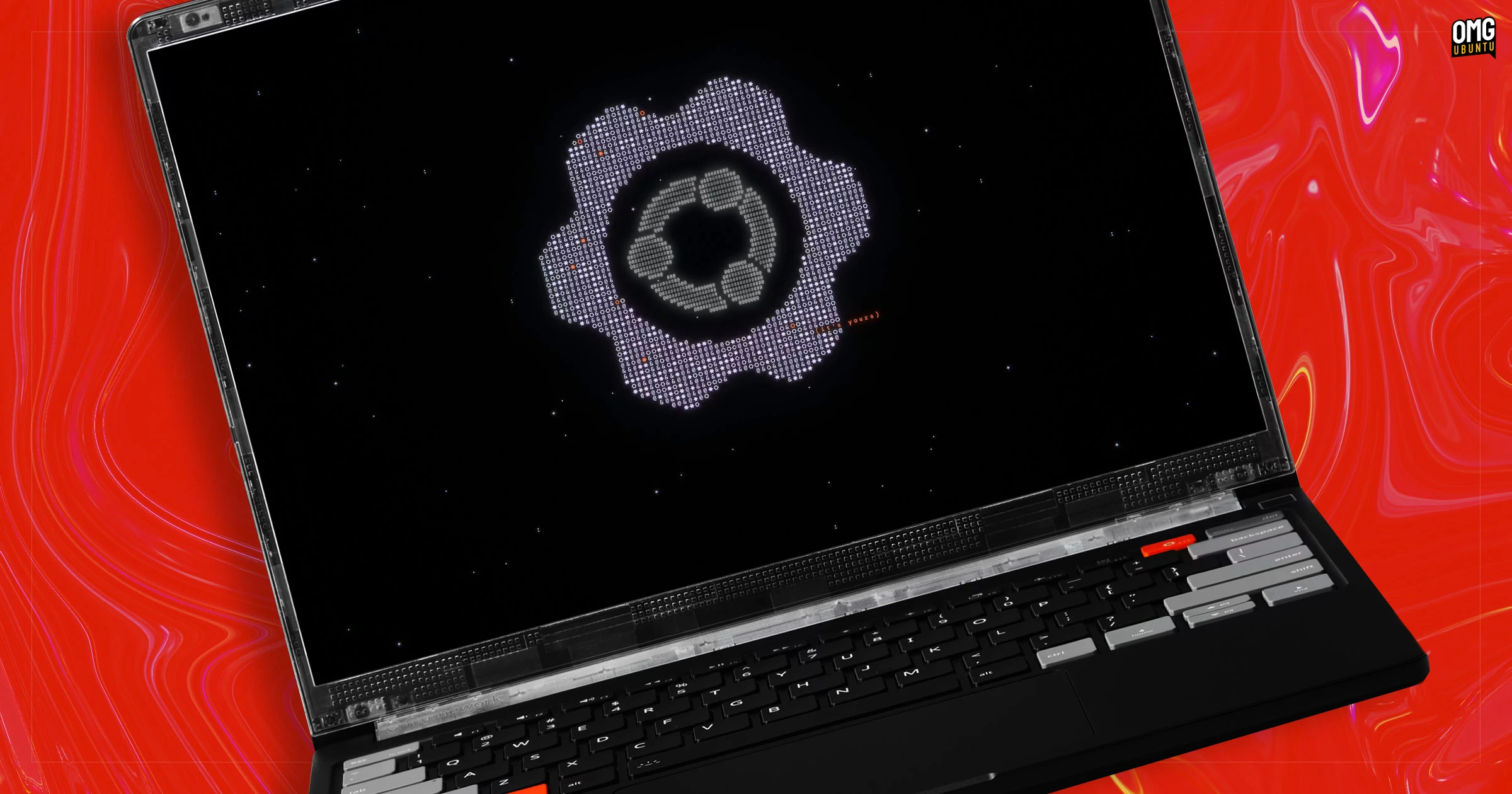
Framework has officially certified its new Laptop 13 Pro for Ubuntu, marking a milestone for the company. This means you can purchase the machine with confidence, knowing you’ll receive guaranteed support directly from the operating system out of the box. The announcement has excited the Linux community, which has long admired Framework’s dedication to upgradeability, repairability, and open-source collaboration. In this Q&A, we dive into the details—from processor choices and memory options to the significance of Ubuntu certification. Why this matters, what makes Framework popular, processor options, memory details, open-source support, out-of-box experience, and Linux exclusivity.
Why is the Framework Laptop 13 Pro’s Ubuntu certification significant?
This certification is a big deal because it ensures that every component of the Framework Laptop 13 Pro has been thoroughly tested and validated to work reliably with Ubuntu. You won’t need to troubleshoot driver issues or hunt for patches after unboxing. For businesses and professionals who rely on a stable Linux environment, this guarantee reduces risk and saves time. It also signals Framework’s deepening commitment to the Linux ecosystem—moving from community-driven support to official, vendor-backed compatibility. Essentially, if you buy this laptop preloaded with Ubuntu or install it yourself, you can expect all hardware features to function seamlessly, including Wi-Fi, graphics, audio, and power management. This is especially valuable for users who want a premium, repairable laptop without compromising on Linux compatibility.

What makes Framework laptops popular among Linux enthusiasts?
Framework has built a loyal following among Linux users for several reasons. First, the hardware is designed to be upgradeable and repairable—you can swap out the mainboard, memory, storage, and even the expansion card ports over time. This aligns perfectly with the open-source philosophy of longevity and user control. Second, Framework actively contributes to the Linux kernel and supports open-source projects financially. They don’t just sell hardware; they invest in the software ecosystem that powers it. Third, their community engagement—such as publishing schematics and providing firmware updates—gives users the freedom to customize and maintain their machines. The result is a laptop that stays relevant for years, reducing e-waste and empowering owners to tinker.
What processor options does the Framework Laptop 13 Pro offer?
You have two CPU choices for the Framework Laptop 13 Pro: Intel Core Ultra Series 3 processors or AMD Ryzen AI 300 series processors. The Intel option delivers solid performance for everyday tasks, productivity, and light creative work, with integrated graphics capable of handling 4K video. The AMD Ryzen AI 300 series, on the other hand, offers more powerful integrated graphics and dedicated AI acceleration hardware. This makes it ideal for developers running AI/ML workloads, video editors, or anyone needing extra compute power. Both platforms support the latest connectivity standards, including Wi-Fi 6E and Thunderbolt 4 (Intel) or USB4 (AMD). Choosing between them depends on your workload priorities—Intel for broad compatibility, AMD for graphics and AI performance.
What type of memory does the Framework Laptop 13 Pro use, and what capacities are available?
The Framework Laptop 13 Pro is one of the first laptops to adopt LPCAMM2 memory, which is modular LPDDR5X RAM. Instead of soldered memory, this format uses replaceable modules, allowing you to upgrade or replace the RAM later. Currently, you can configure the laptop with up to 64GB of LPCAMM2 memory. Framework has committed to supporting higher densities as they become available, so future upgrades are possible. This is a game-changer for users who want to extend their laptop’s lifespan—no longer are you locked into the memory capacity you bought at purchase. The LPCAMM2 standard also offers lower power consumption and high bandwidth, making it ideal for thin-and-light laptops without sacrificing performance.
How does Framework support open-source software and the Linux community?
Framework’s commitment to open source goes beyond just selling hardware. The company actively contributes code to the Linux kernel, ensuring that their hardware—like touchpads, audio subsystems, and expansion cards—works out of the box. They also provide financial support to open-source projects and developers, helping to sustain the ecosystem. For example, they’ve funded efforts around Linux firmware updates and power management improvements. Additionally, Framework publishes detailed hardware documentation and schematics, making it easier for the community to develop custom drivers or modifications. This level of transparency and investment is rare in the consumer laptop market and has earned them trust among Linux users.
What exactly does “guaranteed support right out of the box” mean for Ubuntu users?
When Framework says you get guaranteed support right out of the box, they mean that the laptop comes with a pre-installed Ubuntu image that has been rigorously tested and validated. Every hardware component—from the webcam to the fingerprint reader—has been verified to work with the included Ubuntu version. If you ever encounter an issue, Ubuntu’s support channels will treat the Framework Laptop 13 Pro as a first-class supported device, meaning you can get official help rather than relying on community forums. Furthermore, future Ubuntu updates will continue to be tested for compatibility, so you can safely upgrade without breaking your system. This takes the guesswork out of Linux laptop ownership.
Is the Framework Laptop 13 Pro only for Linux users?
Not at all. While the Ubuntu certification highlights its Linux compatibility, the Framework Laptop 13 Pro also ships with Windows 11 as an option. The modular design and upgrade philosophy appeal to anyone who values longevity and repairability, regardless of operating system. Many users choose Framework specifically because they want a laptop that can last five years or more—something rare in today’s market. That said, the strong open-source backing and official Ubuntu support make it an especially attractive choice for developers, IT professionals, and Linux enthusiasts. Whether you’re a Linux power user or a Windows fan who appreciates sustainable hardware, the Framework Laptop 13 Pro delivers.