10 Reasons Ben Mauro’s ‘Huxley’ Universe Is Poised to Redefine Sci-Fi
In the crowded galaxy of science fiction, few recent creations have sparked as much genuine buzz as Ben Mauro’s Huxley graphic novel universe. With its intricate world-building, morally complex characters, and a visual style that bridges the gap between classic realism and digital futurism, Huxley is more than just another comic series—it’s a transmedia phenomenon waiting to explode. We sat down with Mauro (and pored over every panel) to uncover the ten key elements that make this universe the next big thing in sci-fi. Whether you’re a die‑hard graphic novel fan or a casual reader curious about the hype, these insights will show you why Huxley is earning comparisons to Dune, Blade Runner, and everything in between.
1. A Deeply Layered History That Feels Real
Huxley isn’t set in a generic future; it’s built on centuries of imagined history. Mauro has meticulously designed its timeline—from ecological collapse on Earth to the diaspora among the stars—giving each colony a distinct culture, economy, and political system. This granular world‑building means that every conflict, alliance, and betrayal feels earned. Readers don’t just get a backdrop; they get a living, breathing universe with roots that stretch back generations. [Back to top]
2. Characters with Flawed, Human Motivations
Forget one‑dimensional heroes and villains. The cast of Huxley is filled with people who make questionable choices for understandable reasons. From the enigmatic protagonist who carries a hidden trauma to the antagonist driven by a twisted sense of justice, every character feels like someone you could meet—or argue with. Mauro’s dialogue is sharp, often laced with gallows humor, and the relationships evolve naturally across the series. This emotional depth is what transforms a good sci‑fi story into a great one.
3. A Visual Aesthetic That Merges Classic and Cutting‑Edge
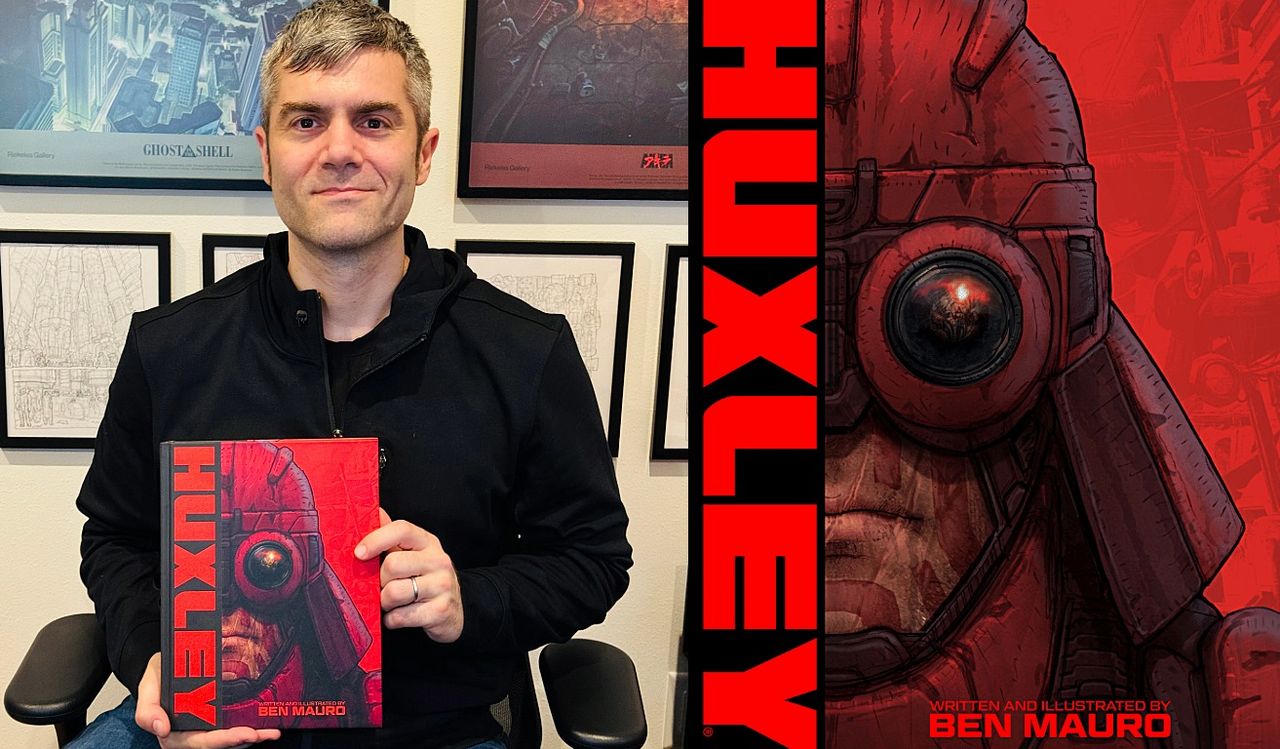
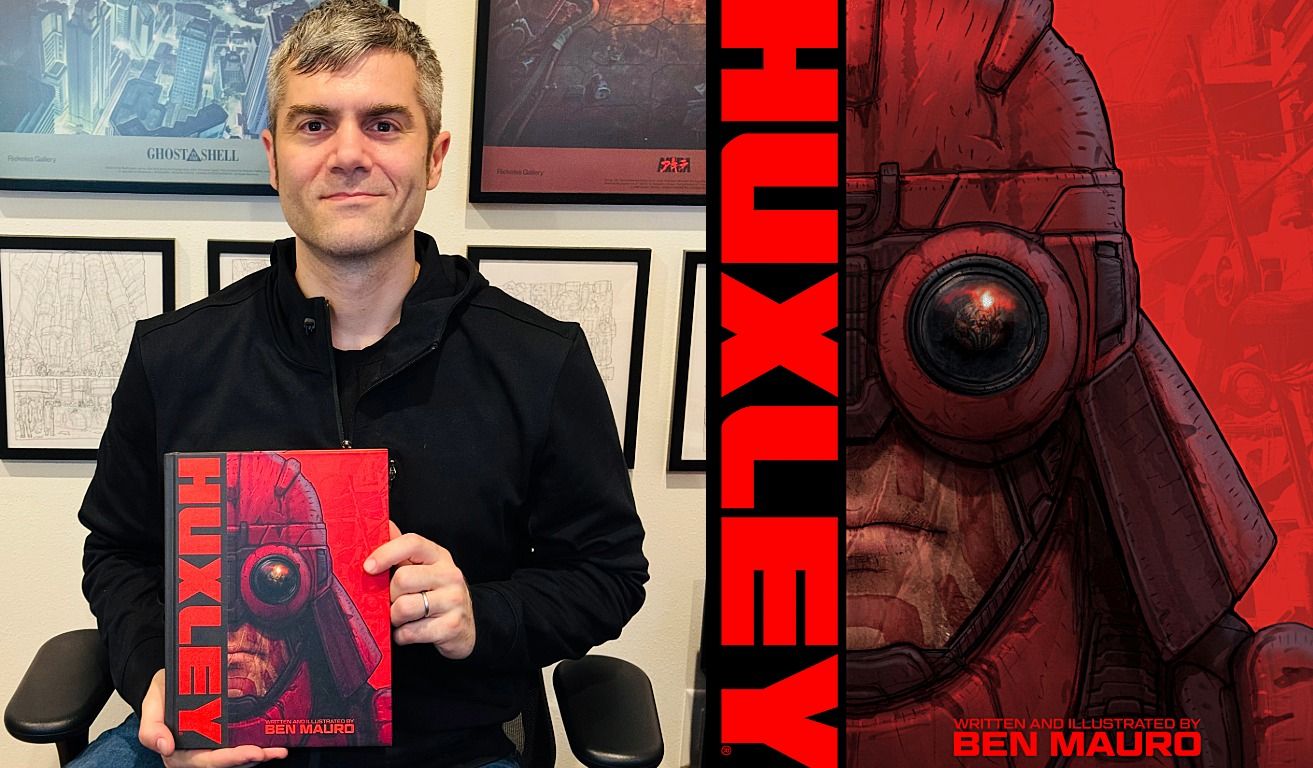
The artwork in Huxley is nothing short of stunning. Mauro combines hand‑drawn techniques with digital painting to create a look that’s both nostalgic and futuristic. Cities are sprawling cyberpunk dreamscapes, yet they retain a gritty, lived‑in texture. Spaceships are designed with realistic physics in mind, but they also evoke the wonder of classic science‑fiction illustrators like Moebius. Every page is a visual feast, making the universe instantly recognizable and unforgettable.
4. Transmedia Storytelling That Breaks the Page
Mauro isn’t limiting Huxley to graphic novels. He’s actively developing companion podcasts, short animated films, and even a tabletop role‑playing game. This transmedia approach allows fans to explore different corners of the universe through different mediums. A story that’s only hinted at in the comics might be fully told in an audio drama, rewarding dedicated followers and attracting new audiences. It’s the kind of ecosystem that builds lasting fandoms.
5. Themes That Resonate with Today’s World
Underneath the spaceships and alien landscapes, Huxley tackles big ideas: climate change, artificial intelligence ethics, class inequality, and the meaning of identity in a digital age. But it never preaches. Mauro weaves these themes naturally into the narrative, letting characters’ actions and consequences speak louder than any lecture. This relevance makes the story feel urgent without being dated, ensuring it will remain impactful for years to come.
6. A Unique Blend of Hard and Soft Sci‑Fi
Some sci‑fi focuses on the technology; others emphasize philosophy. Huxley strikes a rare balance. The science is plausible—space travel uses near‑future propulsion, and AI is grounded in current research—while the philosophical questions (What does it mean to be human? Can we outgrow our own mistakes?) give the story its soul. This dual appeal means it can captivate both tech enthusiasts and humanities lovers.
7. Expansive Lore That Encourages Exploration
Every location in Huxley has its own myths, slang, and even cuisine. Mauro has created an encyclopedia’s worth of background material, much of which is available on the project’s website. Fans can dive into detailed accounts of the “Sky‑Sibling” religion or the trade routes of the Jovian moons. This depth invites re‑reading and online discussion, building a community that feels like part of the universe itself.
8. Dynamic, Pacing‑Driven Story Arcs
Unlike some graphic novels that meander, Huxley is structured like a high‑stakes thriller. Each volume ends on a cliffhanger that genuinely makes you want the next book immediately. Mauro paces reveals carefully, doling out secrets about the mysterious “Huxley Protocol” across multiple issues. This serialized approach keeps readers hooked and turns each new release into a major event.
9. A Strong, Supportive Creator Community
Mauro actively engages with fans through social media, live Q&As, and behind‑the‑scenes process posts. He listens to feedback and shares early sketches, making the Huxley project feel collaborative. This transparency builds loyalty and ensures that the story grows in ways that the audience will love. It’s a model for modern creator‑fan relationships.
10. The Sheer Joy of Watching a Universe Unfold
As Mauro himself says in our interview, “It’s exciting to see things come to life and see it grow and expand. It just makes me happy every day.” That infectious enthusiasm is evident in every panel. Huxley isn’t just a project; it’s a passion. And when a creator genuinely loves their world, readers feel it. That emotional connection is the real secret sauce that sets Huxley apart from the competition.
Conclusion: Ben Mauro’s Huxley universe has all the ingredients to become a sci‑fi classic: rich world‑building, memorable characters, breathtaking art, and a creator who cares deeply about the story. Whether you’re drawn to its philosophical depth, its transmedia ambitions, or simply the thrill of a well‑told space opera, there’s something here for everyone. The next big thing? It’s already here—and it’s only getting bigger.