Revised GUARD Act Still Poses Major Privacy and Free Speech Risks, Critics Warn
Breaking: Congress Narrows GUARD Act, But Experts Say Serious Problems Remain
Lawmakers have narrowed the GUARD Act following widespread criticism, but the revised bill still threatens privacy, online speech, and parental choice, according to digital rights advocates. The original version could have applied broadly to nearly every AI-powered chatbot or search tool; the amended bill now targets so-called “AI companions”—conversational systems designed to simulate emotional or interpersonal interactions. However, experts warn that the revised legislation introduces burdensome age-verification tied to real-world identities, unclear definitions, and heavy penalties that could chill innovation and access.
“The revised GUARD Act still creates serious problems for privacy, online speech, and parental choice,” said a spokesperson for the Electronic Frontier Foundation (EFF). “Lawmakers are trying to solve a complicated social problem with vague legal standards, heavy liability, and privacy-invasive verification systems.”
Background
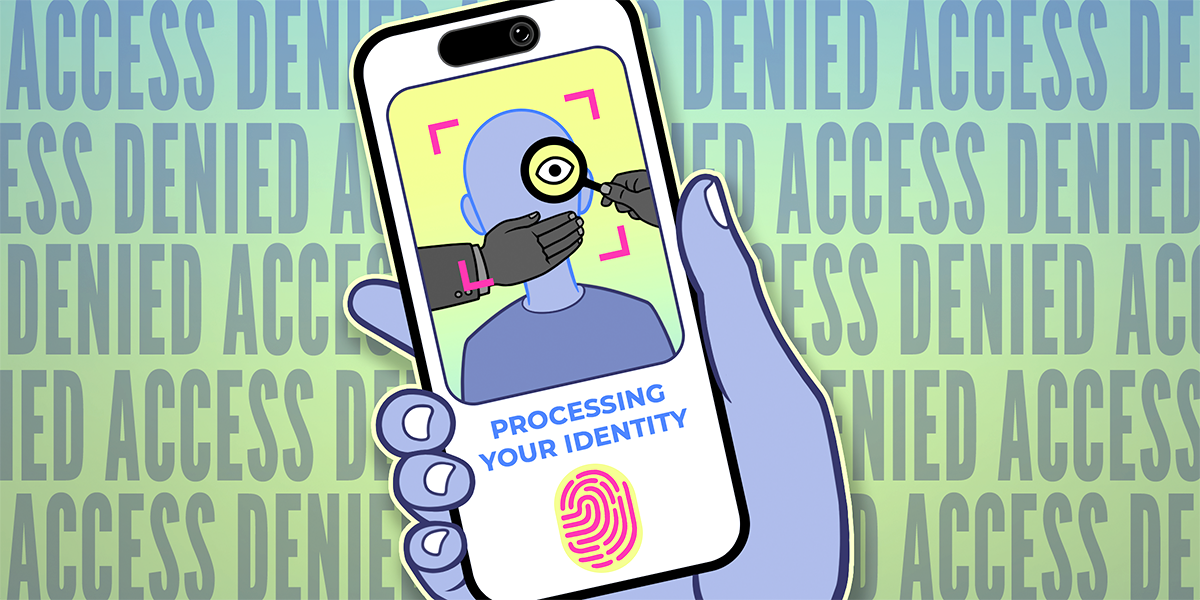
Introduced earlier this year, the GUARD Act aimed to restrict minors’ access to certain AI systems. After pushback from civil liberties groups and tech companies, Congress narrowed the bill’s scope to focus on “AI companions”—systems that engage in emotional disclosures or maintain a persistent identity, persona, or character. While this change addressed some broad concerns, the bill still requires companies to implement “reasonable age verification” linked to users’ real-world identities, such as government IDs, financial records, or platform accounts.
Critics argue that even this narrower scope remains problematic. The revised definition of “AI companion” is unclear at the margins, potentially covering chatbots used for therapy, education, or roleplay—including those that parents might deliberately choose for their children. “A family might decide that a conversational AI tool helps an isolated teenager practice social interaction, or engage in harmless creative roleplay,” noted the EFF spokesperson. “A parent deployed in the military might set up a persistent AI storyteller for a younger child. Under the revised bill, those users could still face mandatory age checks tied to sensitive personal or financial information before they or their children can use these services.”
What This Means
The revised GUARD Act still requires intrusive age-verification systems that tie users to their real-world identities. This approach raises serious privacy and access concerns. Millions of Americans lack current government IDs, bank accounts, or stable access to digital identity systems. Even for those with such credentials, mandatory identity-linked verification to access online speech tools creates risks for privacy, anonymity, and data security. Many users may simply forgo these services rather than compromise their privacy.

Additionally, the bill increases penalties for companies that misjudge whether a system qualifies as an AI companion or fail to implement proper verification. The vague definitions leave developers exposed to heavy liability, potentially discouraging innovation in beneficial AI applications. “Congress narrowed the GUARD Act, but it is still trying to solve a complicated social problem with vague legal standards,” the EFF spokesperson added.
For families, the bill undermines parental choice. Even if a parent expressly wants their teenager to use an AI companion for learning or socialization, the mandatory age checks create significant hurdles. The bill does not provide exceptions for parental consent, effectively limiting access to all minors regardless of family decisions.
Digital rights advocates urge Congress to oppose the GUARD Act in its current form. They call for a more targeted approach that addresses genuine harms without sacrificing privacy, free speech, or the ability of families to make their own choices about technology.
For more details on the original proposal’s flaws, see our earlier analysis: Original GUARD Act Concerns.
Action: Tell Congress to oppose the GUARD Act. Take Action Now.