Meta Unleashes Open-Source AI to Crack Domestic Concrete Puzzle, Slash Import Reliance
Meta Drops BOxCrete: AI Engine for U.S.-Made Concrete Now Open Source
Meta today released Bayesian Optimization for Concrete (BOxCrete), a new open-source AI model designed to rapidly create concrete mixes using exclusively American‑produced materials. The model, available immediately on GitHub alongside foundational training data, aims to help the construction industry shift away from the roughly 23% of cement that is currently imported.
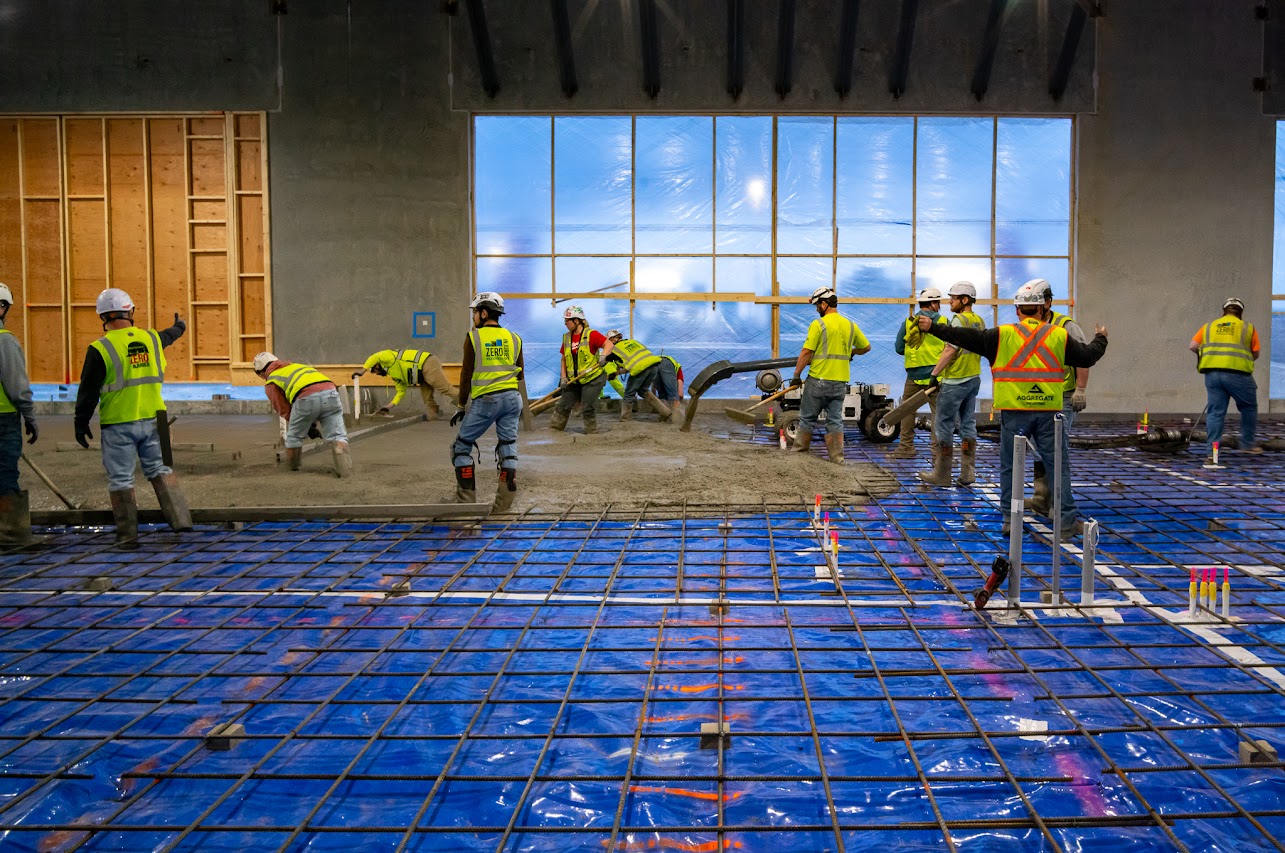
“For too long, U.S. concrete producers have been forced to import cement because their mix designs couldn’t adapt to domestic materials,” said Dr. Elena Marchetti, Meta’s head of infrastructure sustainability. “BOxCrete removes that bottleneck by learning from millions of data points to find high‑performance, low‑carbon formulas using American cement in days instead of months.”
The Scale of the Problem
Each year the United States pours nearly 400 million cubic yards of concrete — enough to build a two‑lane highway circling the Earth multiple times. Yet while ready‑mix concrete is made locally, the cement that binds it is heavily imported. Roughly 20–25% of U.S. cement consumption comes from overseas, a dependency that stifles domestic manufacturing and jobs.
“Cement chemistry varies by origin; a mix that works with imported cement can fail with U.S. cement,” said David Okonkwo, a materials scientist at the National Institute of Standards and Technology (NIST). “That mismatch forces costly laboratory trial‑and‑error. AI can shortcut that process.”
Background: Concrete’s Design Dilemma
Concrete is a blend of cement, supplementary cementitious materials, aggregates, water, and admixtures. Traditional mix design relies on engineer intuition and decades of accumulated knowledge — a slow, expensive workflow that resists new inputs. Different cements behave differently, so switching to a domestic supply requires re‑engineering hundreds of mixes.
Reshoring — bringing manufacturing back to U.S. shores — has already added over 1.1 million jobs since 2020, and every dollar spent in manufacturing generates $2.69 in economic activity. The cement and concrete sector alone contributes more than $130 billion annually and supports roughly 600,000 jobs, but imports still supply about 23% of demand.
What This Means
BOxCrete directly tackles the “cement bottleneck.” By using Bayesian optimization, the AI rapidly explores thousands of possible combinations and validates them against strength, workability, cost, and sustainability requirements — all while favoring U.S.-made materials. Producers can now incorporate domestic cement without months of lab delays.
“This is a real‑world example of AI strengthening national supply chains,” said Okonkwo. “If we can shift even 10% of that 23% import share, it unlocks billions in domestic value and thousands of manufacturing jobs.”
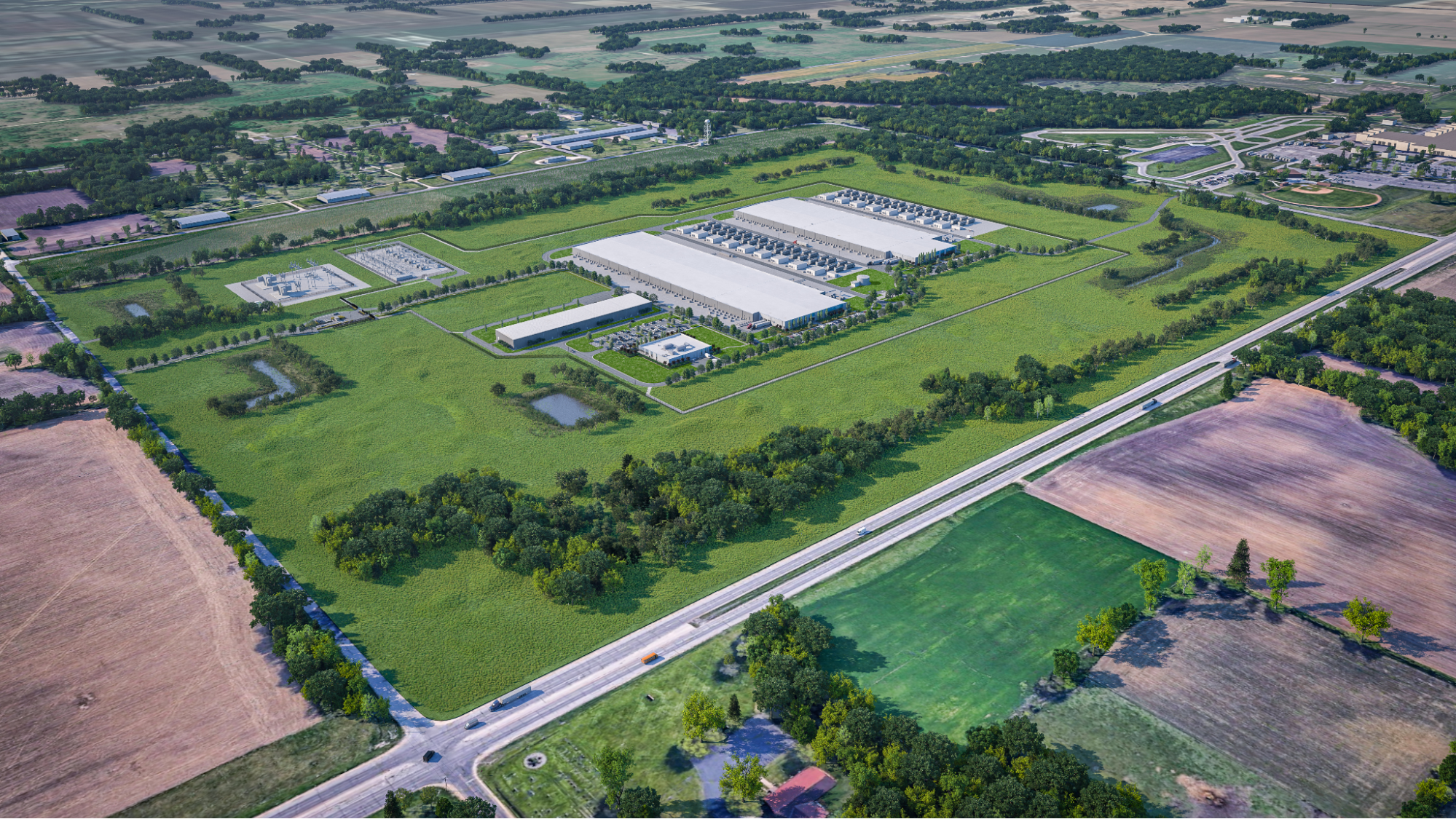
Meta has already demonstrated the approach with award‑winning concrete mixes used in its own data centers. The company is releasing the model under an open‑source license to accelerate adoption across the industry.
Real‑World Impact Across the U.S.
Early adopters include mid‑Atlantic and Midwest concrete producers who have reported 15–20% faster mix validation times. “We went from five trial batches to one,” said Tomás Rivera, operations manager at Great Lakes Concrete Solutions. “BOxCrete gave us a working mix with U.S. cement on the first shot.”
Meta, along with partners such as the American Concrete Institute, has received multiple awards for these innovations. The 2026 ACI Spring Convention, held concurrently with the release, will feature workshops on integrating AI into mix design workflows.
Next Steps
The BOxCrete model and a dataset of 10,000+ validated mix designs are now available on GitHub. The company encourages concrete suppliers, engineers, and researchers to contribute new data and test cases.
“This isn’t just about better concrete — it’s about American self‑sufficiency,” Marchetti said. “We’re giving the industry the tool to build with pride in what we produce here.”