Hidden Dual Role of Fat Cell Protein Challenges Long-Held Views on Obesity
Introduction
For decades, the protein known as hormone-sensitive lipase (HSL) was considered a simple gatekeeper of fat stores: when the body needed energy, HSL would break down triglycerides and release fatty acids. But a recent discovery has turned that simplistic view upside down. Scientists have now revealed that HSL has a second, previously unknown function deep inside the nucleus of fat cells. There, it helps maintain cellular health and balance, challenging our understanding of obesity and metabolic disease.
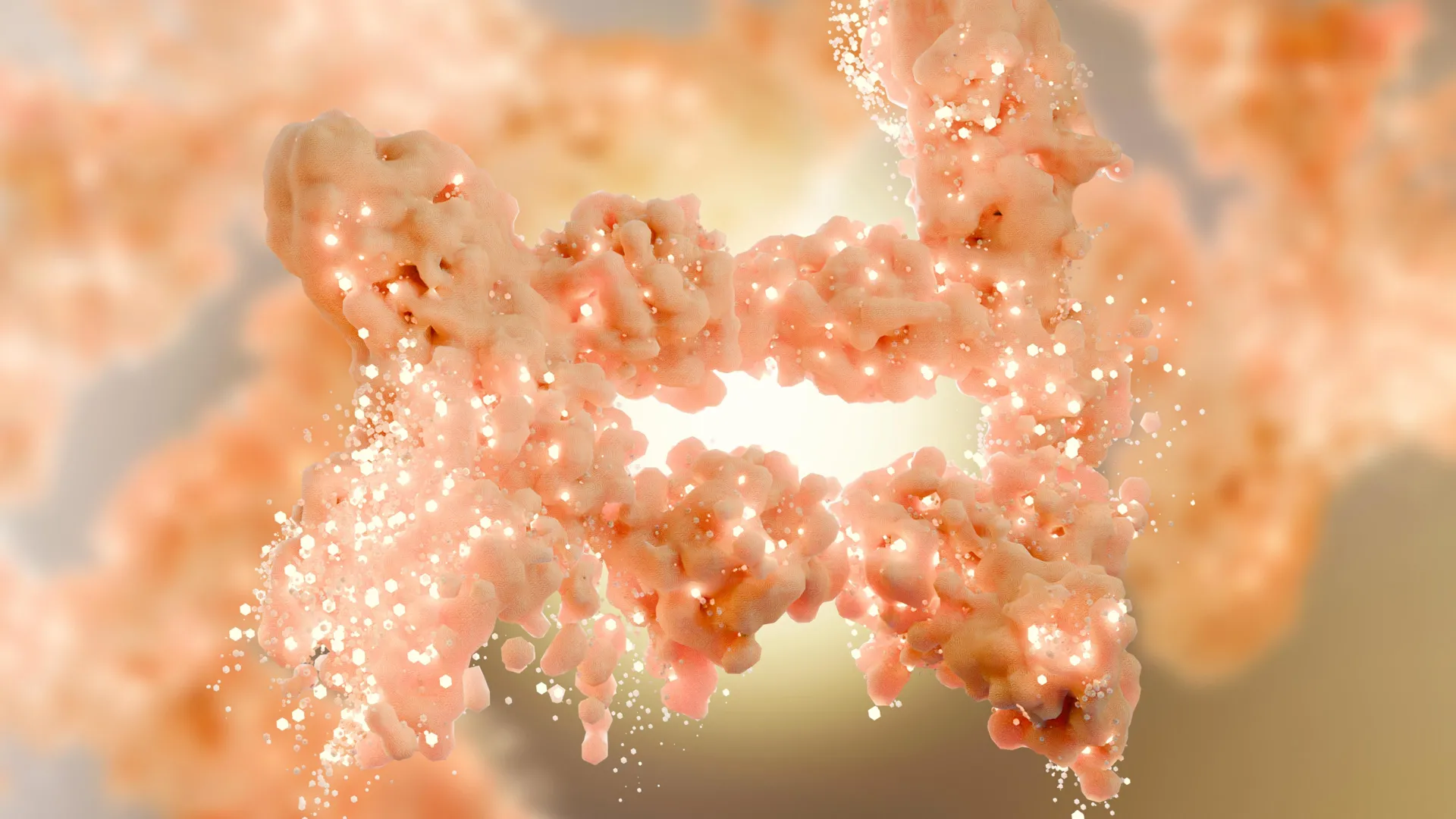
The Surprising Dual Role of HSL
Researchers found that HSL not only works at the surface of fat droplets but also travels to the nucleus of fat cells (adipocytes). Inside the nucleus, it interacts with gene-regulating machinery to keep the cells stable and functional. This unexpected nuclear role was uncovered through experiments on both human cell lines and animal models. As discussed later, this new function may explain why patients or mice missing HSL do not become obese. Instead, they develop a serious condition called lipodystrophy, where fat tissue is lost or redistributed abnormally.
How HSL Works in the Nucleus
In the nucleus, HSL appears to regulate the expression of genes involved in lipid metabolism, inflammation, and cell survival. Without HSL, fat cells lose their ability to properly expand and store fat, leading to unhealthy fat accumulation in the liver and muscles. This insight links HSL to metabolic health beyond simple fat mobilization.
From Obesity to Lipodystrophy: A Biological Paradox
One might expect that a protein missing its fat-releasing function would lead to fat accumulation and obesity. Yet the opposite occurs: HSL-deficient organisms suffer from lipodystrophy, a disorder characterized by a severe lack of healthy fat tissue. This paradox reveals that HSL's nuclear job is essential for fat cell viability and proper fat distribution. The condition often leads to insulin resistance and metabolic syndrome, mirroring features of obesity but with opposite fat mass.
What This Means for Obesity Treatment
The finding suggests that simply blocking fat release (as some anti-obesity strategies have attempted) could backfire by harming fat cell function. Instead, therapies might need to preserve or enhance HSL's nuclear activity to maintain healthy fat tissue. This shift in thinking could open new avenues for treating obesity and related metabolic diseases by focusing on cellular health rather than just fat reduction.
Future Research Directions
Scientists are now exploring how HSL’s nuclear function is regulated and whether it can be pharmacologically modulated. Early studies indicate that diet and exercise may influence HSL’s localization, hinting at lifestyle interventions that could support this protein’s healthy role. More research is needed, as detailed in ongoing clinical trials, but the discovery already promises to rewrite decades of fat science.
Conclusion
The hidden second job of HSL inside fat cell nuclei offers a new, more nuanced understanding of obesity and metabolism. It reminds us that biological systems are rarely simple, and that even well-studied proteins can hold surprises. As this research unfolds, it may lead to smarter approaches for managing weight and metabolic health.