Quick Facts
- Category: Networking
- Published: 2026-05-01 08:35:43
- Mastering CSS contrast-color(): Your Guide to Automated Text Contrast
- How Your Mouse Tracks Movement: A Step-by-Step Guide to Ball and Optical Technology
- How Russian Hackers Exploited Routers to Steal OAuth Tokens: A Step-by-Step Breakdown
- Crypto Market Rebounds: Key Developments and What They Mean for Investors
- Microsoft Open-Sources Azure Integrated HSM to Let Anyone Verify Cloud Cryptographic Trust
The Chinese tech landscape is known for its rapid-fire product launches, but few have arrived under as much corporate drama as the new OnePlus Pad 4. As OnePlus navigates a tumultuous merger with sister brand Realme and faces questions about its long-term identity, the company has pushed ahead with the debut of its latest flagship tablet. On paper, the Pad 4 looks like a powerhouse—but a notable downgrade and murky launch plans are already giving potential buyers pause.
Design and Display: Familiar Premium Looks
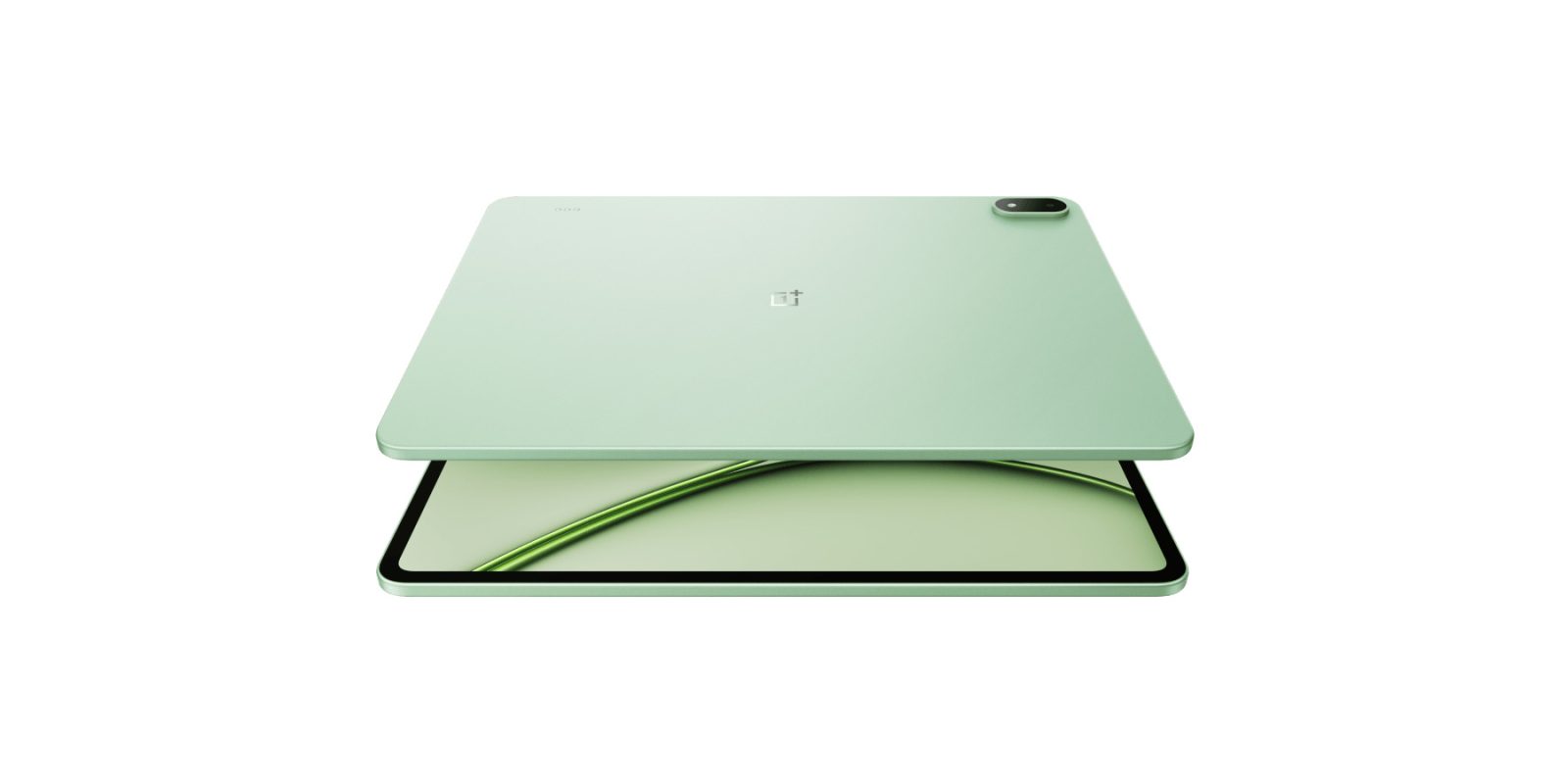
While OnePlus hasn't published exhaustive details, early impressions suggest the Pad 4 carries forward the sleek, minimalist design language of its predecessor. The aluminum unibody construction and slim bezels remain, making it a visually appealing device. No major overhaul was expected, but the continuity ensures the tablet doesn't feel dated out of the gate.
Performance: Snapdragon 8 Elite Gen 5 Steals the Show
The headline feature is undoubtedly the Snapdragon 8 Elite Gen 5 chipset. This processor, built on an advanced 3nm process, promises a significant leap in both CPU and GPU performance over previous generations. For productivity, gaming, and creative workflows, the Pad 4 should offer flagship-level responsiveness. OnePlus claims optimizations that make multitasking buttery smooth, though independent benchmarks are still pending.
- CPU: Up to 15% faster single-core and 12% faster multi-core than the Snapdragon 8 Gen 3.
- GPU: Ray tracing support and 20% better efficiency for sustained gaming.
- AI Engine: Improved on-device AI for photography, voice, and productivity tasks.
This places the Pad 4 in direct competition with premium tablets from Apple and Samsung, at least on paper. However, the software experience and app ecosystem will ultimately determine if that raw power translates into real-world benefits.
The One Downgrade: What's Missing?
Every flagship device has its compromises, but OnePlus seems to have made a deliberate cut with the Pad 4. While the company hasn't officially confirmed what the downgrade is, leaks and community analysis point to a reduction in display refresh rate compared to the previous generation. The OnePlus Pad 3 featured a 144Hz LCD, but early reports suggest the Pad 4 uses a 120Hz OLED panel.
This shift from LCD to OLED is a double-edged sword: OLED offers deeper blacks and better contrast, but a drop from 144Hz to 120Hz means the display is technically less smooth for high-frame-rate content. For most users, the difference may be imperceptible, but it's a downgrade in a key spec that competitors often highlight. Other potential downgrades—such as reduced battery capacity or lack of a headphone jack—have not been confirmed, but the 120Hz panel appears to be the main trade-off for the upgraded OLED technology.

Uncertain Availability: Vague Launch Plans and the Realme Merger
Perhaps the most concerning aspect of the OnePlus Pad 4 is its launch strategy—or lack thereof. OnePlus has given only broad hints about release dates and regions, fueling speculation that the tablet may face limited rollout, especially in markets where OnePlus and Realme are being consolidated.
The Impact of the OnePlus-Realme Merger
Earlier this year, OnePlus confirmed it would merge operations with Realme, its sibling brand under the BBK Electronics umbrella. The aim is to streamline resources, but the process has been messy. Product lines are being rationalized, retail presence is being reorganized, and employees have faced uncertainty. Industry insiders suggest that tablets are lower priority in the merger compared to smartphones, which could explain the vague launch plans.
For now, the Pad 4 is expected to launch first in China and select Asian markets, with a broader international release still unconfirmed. OnePlus has promised updates via its community forums, but no concrete dates have been provided. This is a stark contrast to earlier Pad launches, which had clear global rollouts.
Conclusion: A Tablet Worth Waiting For?
The OnePlus Pad 4 brings genuine hardware improvements with the Snapdragon 8 Elite Gen 5, but the downgrade—likely a lower refresh rate display despite OLED benefits—and uncertain availability raise red flags. The merger with Realme adds another layer of risk: will OnePlus continue to support this tablet line with timely updates and accessories? Potential buyers should weigh the raw specs against the possibility of limited software support and regional availability issues.
If OnePlus resolves its launch plans and communicates a clear global strategy, the Pad 4 could still be a strong contender in the premium Android tablet space. Until then, it's a product that looks great but feels adrift in a sea of corporate restructuring.