Consolidate Your Work Apps with One Open-Source Solution
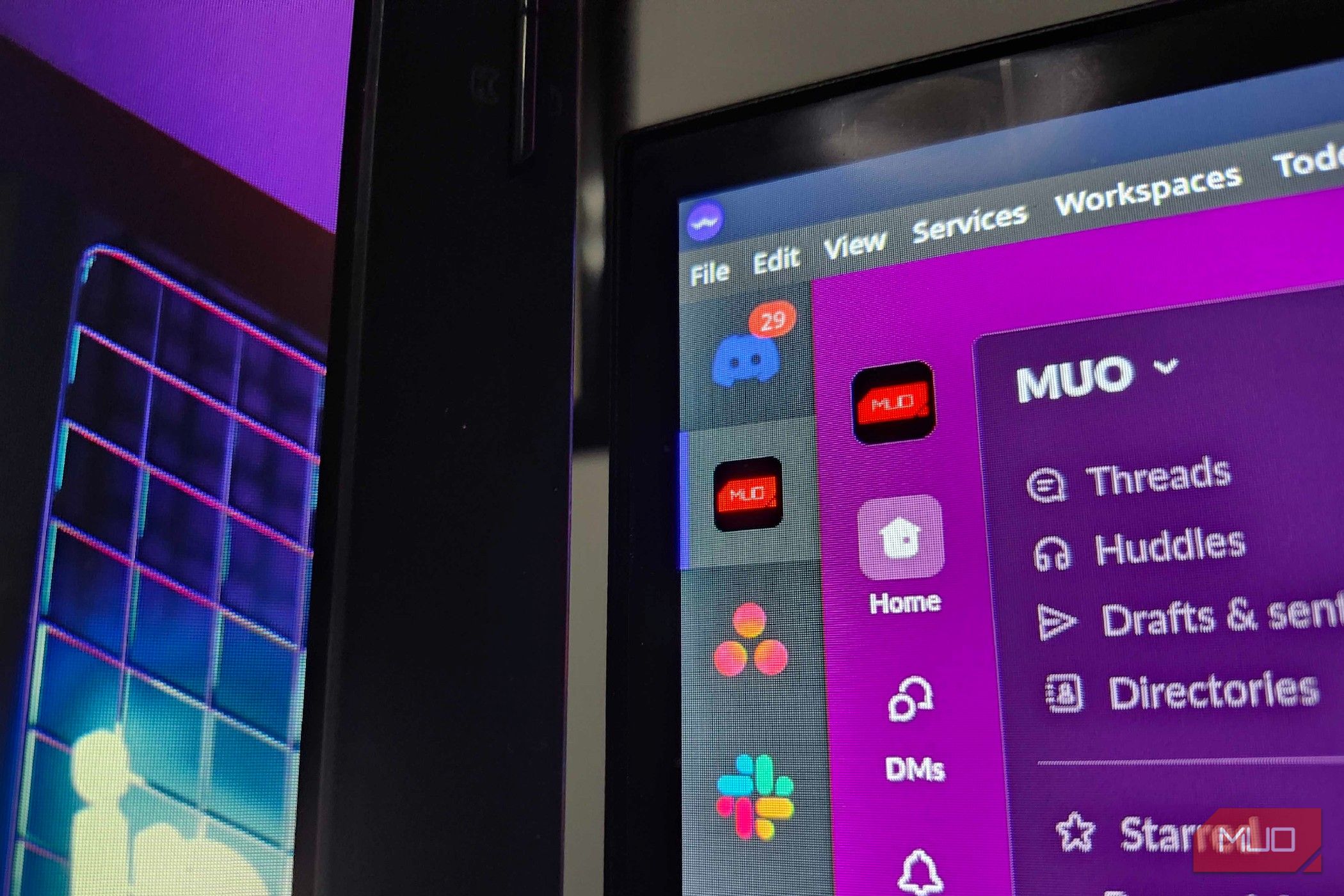
In the era of remote work, managing multiple communication tools can overwhelm even the most organized professional. From Slack for chats to Asana for tasks and Discord for community, juggling five separate apps drains productivity and focus. Fortunately, a single open-source alternative exists that combines messaging, project management, file sharing, and more into one platform. Below, we answer common questions about this all-in-one solution.
Why is using multiple apps a problem for remote workers?
Running Slack, Asana, Discord, and similar apps simultaneously fragments your workflow. Switching between interfaces wastes time, strains system resources, and scatters important conversations across silos. Notifications from different sources cause constant context switching, reducing deep work. An open-source alternative eliminates this chaos by centralizing all functions—chat, task management, video calls, and file collaboration—in one browser or desktop window. This not only simplifies your day but also reduces app fatigue and improves team alignment.
What exactly is this open-source alternative?
It is a self-hosted or cloud-deployed platform that combines essential work tools: real-time messaging (like Slack), Kanban boards (like Trello or Asana), voice/video channels (like Discord), and document sharing (like Google Drive). Built on open-source code, it offers unlimited user tiers, full data control, and extensibility via plugins. Popular examples include Mattermost, Rocket.Chat, and Nextcloud Talk, each with robust features. You can customize it to mirror your existing team workflows without paying per-seat fees or dealing with vendor lock-in. The core idea is that one integrated system replaces the need for five separate subscriptions.
What key features does it offer to replace Slack, Asana, and Discord?
First, threaded messaging and channels replicate Slack’s organized conversations. Second, built-in project management boards and to-do lists replace Asana’s task tracking. Third, persistent voice channels and screen sharing mimic Discord’s community features. Additionally, you get file version control, calendar integration, and search across all content. Many open-source platforms also include automation (bots) and webhooks to connect with external tools like GitHub or Jira. Because the software is modular, you enable only the features your team needs, keeping the interface clean. The result is a unified hub that covers communication, project planning, and social collaboration without any app switching.
How does this open-source solution handle security and privacy compared to commercial apps?
Open-source platforms give you full control over your data. You can host on your own server, encrypt traffic with SSL, and enforce end-to-end encryption for messages. Unlike commercial apps that may monetize user data, open-source alternatives allow you to audit the code and apply security patches immediately. Role-based access, audit logs, and LDAP/SSO integration are standard. For teams in regulated industries (healthcare, finance), self-hosting ensures compliance with GDPR or HIPAA. Commercial apps often store data on third-party clouds; with open-source, you decide where data lives. This transparency and autonomy make it a more secure choice for sensitive work communications.
Is setting up this open-source alternative difficult for non-technical teams?
Not necessarily. Many open-source tools offer one-click deployments on services like DigitalOcean or Linode, and some provide managed cloud versions for a small fee. If your team lacks DevOps skills, you can choose a hosted option where the provider handles maintenance. However, for maximum customization, you might need basic command-line knowledge to install on a VPS. Official documentation and community forums guide you through the process. Alternatively, containerized versions (Docker) simplify installation. While commercial apps are plug-and-play, open-source platforms trade a small setup effort for long-term savings and privacy. Most teams find the initial investment worthwhile.
How does the cost compare to using multiple commercial apps?
Commercial apps like Slack (Pro), Asana (Premium), and Discord (Nitro) cost per user per month. A team of 50 could spend $500-$1,000 monthly. Open-source alternatives are free to use, with optional paid support or cloud hosting (often under $100/month for the whole team). You only pay for server infrastructure (e.g., $5-$20/month for a small VPS). Over a year, savings amount to thousands of dollars. Additionally, you avoid hidden upgrade costs and per-user pricing. The total cost of ownership is dramatically lower, especially as your team grows. This makes open-source ideal for startups, non-profits, and budget-conscious teams.
What are tips for migrating from five separate apps to this unified platform?
Start with a pilot team for 2-4 weeks to test the new tool. Export your data from current apps (Slack archive, Asana CSV, etc.) and import into the open-source platform using built-in migration tools or scripts. Announce the change clearly, explaining the benefits. Train team members on the new interface with short video guides. Disable the old apps gradually—leave them read-only for a month to avoid losing history. Encourage all communication to move to the new platform. Monitor usage and gather feedback. Once everyone adapts, you can decommission the old apps and fully enjoy a single, streamlined workspace.