Why Obsidian's Plugin Ecosystem Is Unmatched: 6 Game-Changing Add-ons
Obsidian has become a favorite for many because of its incredible flexibility. The core app already offers powerful note-taking, linking, and visualization features. But it’s the plugin ecosystem that truly transforms Obsidian into a personal knowledge management beast. Here are six plugins that convinced me I’ll never need another note-taking app.
What makes Obsidian different from other note-taking apps?
Obsidian’s true strength lies in its malleability. Out of the box, it provides a simple yet robust foundation—you can create notes, link them, and view connections via the Graph View. But the real game-changer is that you can make it as simple or as complex as you want. Thanks to its plugin system, Obsidian can morph into a daily journal, a project management tool, a Zettelkasten system, or even a full-blown writing environment. This adaptability is why many users, myself included, have abandoned other dedicated apps. The vanilla features alone satisfy most needs, but when you add plugins, the possibilities become nearly endless.
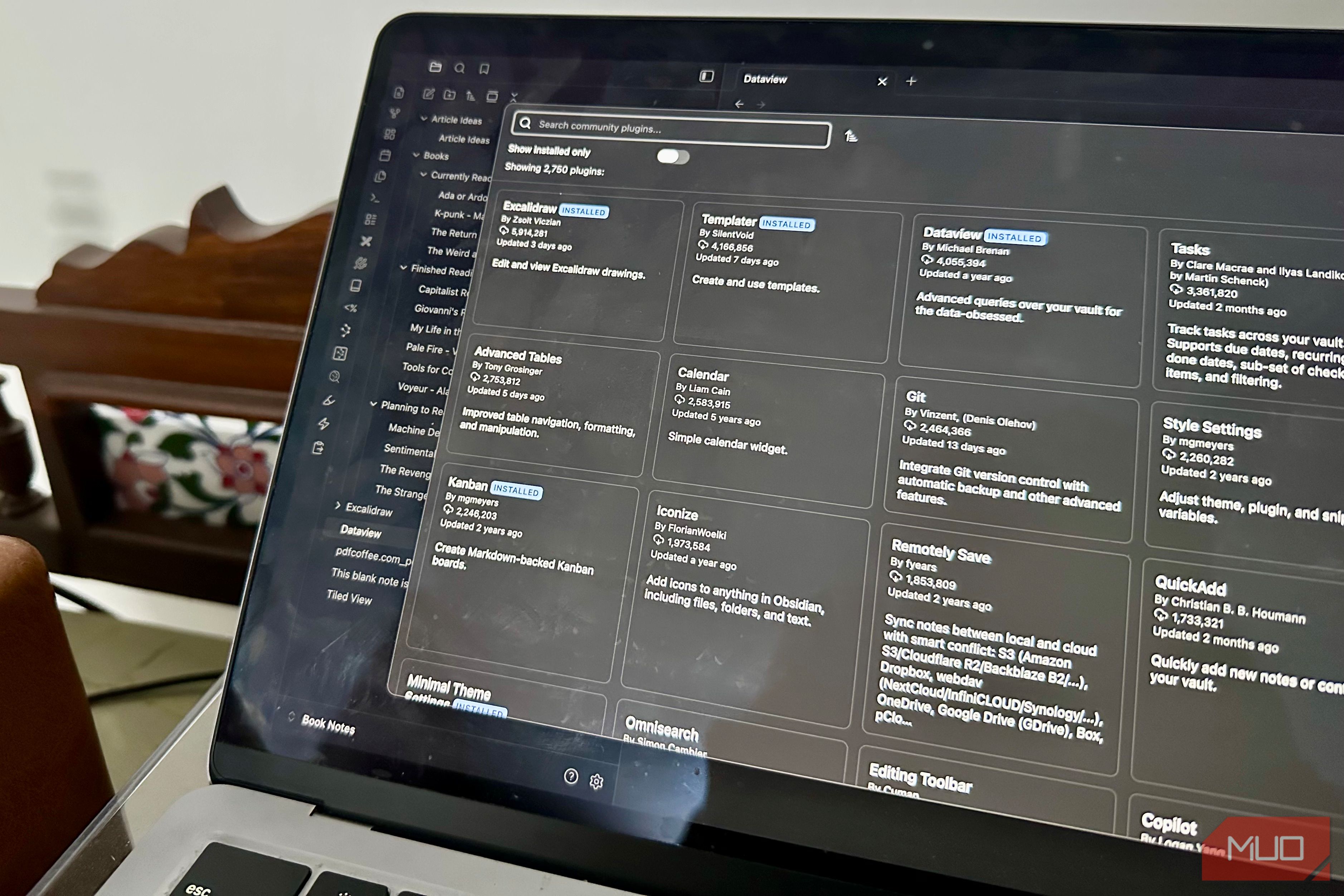
Which six plugins are essential for transforming Obsidian?
- Daily Notes – Automatically creates a new note for each day, perfect for journaling and quick capture.
- Templates – Inserts pre-designed note structures, saving time and ensuring consistency.
- Dataview – Treats your notes like a database, allowing you to query and display information dynamically.
- Kanban – Turns a markdown note into a visual task board, ideal for project management.
- Graph View (enhanced by plugins like Excalidraw) – Visualizes relationships between notes, making connections clear.
- Obsidian Publish – Converts your vault into a website, enabling easy sharing of knowledge.
Each of these plugins adds a distinct layer of functionality, yet they all integrate seamlessly with Obsidian’s core philosophy of local, plain-text files.
How do these plugins improve daily note-taking workflows?
Imagine starting your day: the Daily Notes plugin automatically opens a fresh note with today’s date. You quickly jot down tasks and ideas. Using the Templates plugin, you insert a meeting template with predefined sections. Later, you use Dataview to create a dynamic table of all tasks across your notes, showing only those due today. When a project grows complex, you switch to the Kanban plugin to visualize progress. Throughout the day, you link notes, and the Graph View shows how your ideas connect. Finally, when you want to share your notes publicly, Obsidian Publish turns your vault into a polished website. These plugins eliminate manual repetition and let you focus on thinking, not formatting.
Can Obsidian be kept simple even with plugins installed?
Absolutely. One of Obsidian’s design principles is that you can ignore plugins you don’t need. The vanilla experience remains unchanged until you decide to enable a plugin. So if you only want a basic note-taking app with linking and graph visualization, you can stop there. The plugins are purely additive—they never clutter the interface unless you use them. This is why Obsidian appeals to both minimalists and power users. You start with a clean, distraction-free editor. Then, as your needs grow, you can gradually introduce plugins like Templates or Dataview without feeling overwhelmed. The app grows with you, not against you.
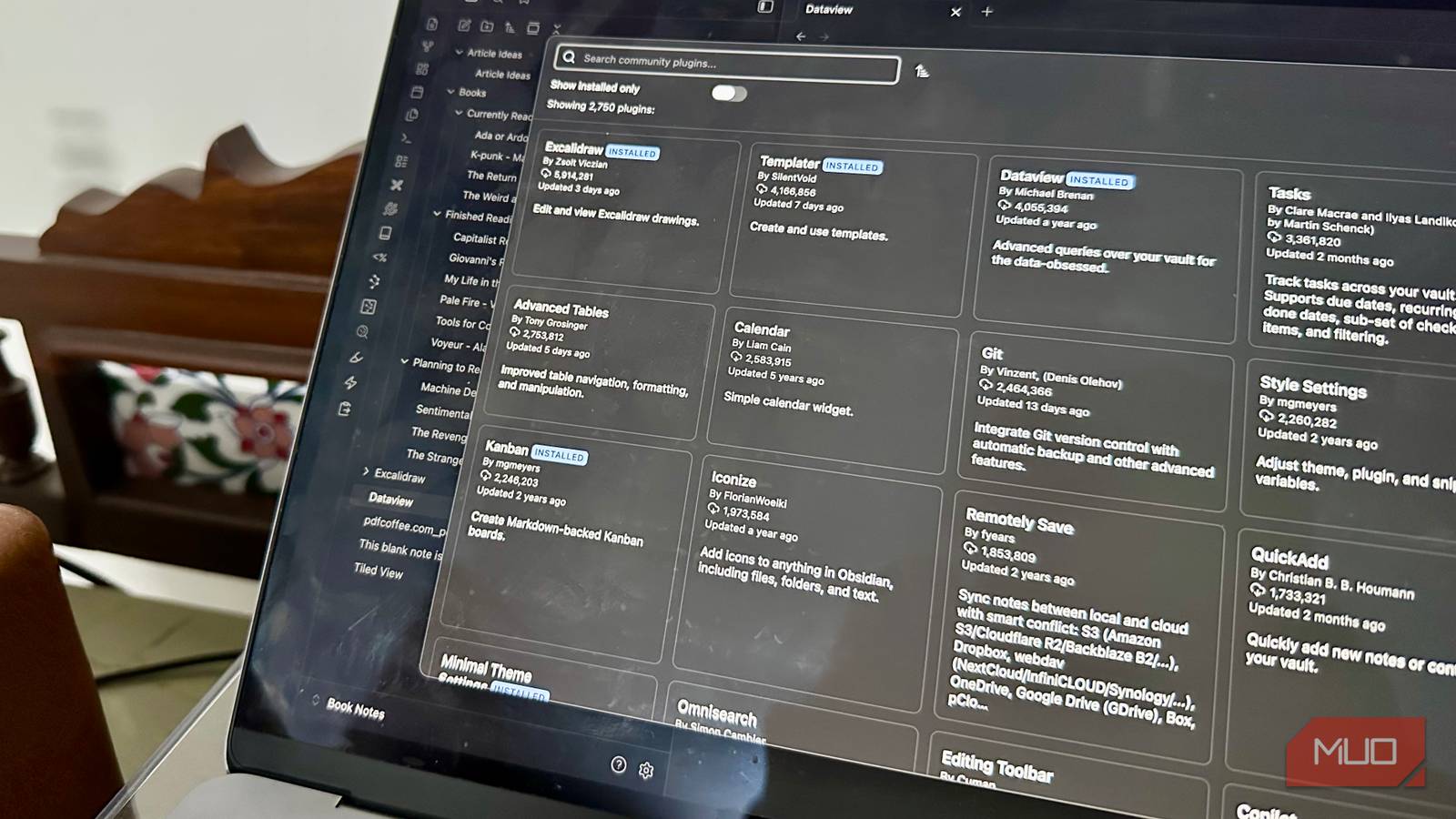
Are there any downsides to relying on plugins?
The main downside is that plugins are community-developed and may occasionally break after an Obsidian update. However, the community is highly active, and popular plugins are usually updated quickly. Another risk is plugin overload—installing too many can slow down Obsidian or create dependency on features that may not be maintained. To avoid this, choose plugins that solve real problems and stick to well-maintained ones. Also, since Obsidian stores data as plain markdown files, you never lose access to your notes even if a plugin disappears. The core data remains portable. So the benefits far outweigh the risks for most users.
What is the most underrated plugin for advanced users?
Dataview is often overlooked by beginners but is incredibly powerful. It allows you to run SQL-like queries on your notes. For example, you can automatically list all notes tagged with “book”, sort them by author, and display their status. This turns your vault into a living database. Combined with Daily Notes and Templates, you can create a personal knowledge dashboard. Dataview does require a slight learning curve, but once mastered, it unlocks a level of organization that no other note-taking app offers natively. It’s the secret weapon for anyone managing hundreds or thousands of notes.
How do these plugins integrate with Obsidian’s core features?
Every plugin builds on Obsidian’s core: local markdown files, backlinks, and the Graph View. For instance, Daily Notes simply creates a new markdown file each day—nothing special. But because it’s a markdown file, you can link to it from other notes, tag it, and see it in the graph. Kanban turns a note into a board, but each card is still a markdown entry with links. Dataview reads metadata you add to the frontmatter of any note. This deep integration means plugins don’t feel like add-ons; they feel like natural extensions. The whole system stays consistent, and your data remains open and portable. That’s the beauty of Obsidian’s architecture.